With increasingly stringent fire safety regulations, selecting materials that meet safety standards is mandatory for all construction projects. Among these, EI30 ducting is becoming a preferred solution for many investors and contractors due to its effective fire resistance and suitability for various critical ventilation applications. This article will provide a detailed analysis of the technical characteristics, fire resistance standards, and practical applications of EI30 ducting, helping you understand and choose the right solution for your project.
Why should we care about EI30 ductwork?

In fire incidents, smoke and toxic gases spreading rapidly through ventilation systems are a leading cause of casualties. If left unchecked, air ducts can become conduits for fires to spread to multiple areas.
The use of EI30 ducting helps mitigate this risk by maintaining fire resistance for a minimum of 30 minutes, preventing fire and smoke from spreading through utility shafts, corridors, or enclosed areas. This timeframe is crucial for supporting evacuation and timely firefighting efforts.
A brief introduction to the EI30 duct.
EI30 ducting is a fire-resistant ducting designed and manufactured to ensure a minimum fire resistance of 30 minutes according to fire safety standards.
- E (Integrity): ensures integrity, preventing fire and smoke from penetrating.
- I (Insulation): ensures thermal insulation, limiting heat transfer to adjacent areas.
- 30: Fire resistance time (in minutes).
EI30 ducting is commonly used in areas requiring medium fire protection. It plays a crucial role in smoke control and enhances building safety.
Key technical features of the EI30 duct
EI30 ducting is a suitable choice for buildings requiring basic fire protection solutions while still ensuring efficient ventilation system operation. With a design that meets fire safety standards and an optimized structure, the product enhances safety and stability for the entire building.
Fire resistance meets EI30 standard.
The EI30 duct is designed to withstand high temperatures for at least 30 minutes while maintaining its structure and airflow function. This helps to limit fire spread and control smoke flow in the initial stages of an incident.
Robust construction, high airtightness.
The product is precisely machined and securely joined, ensuring a tight seal at the joints. This helps to minimize smoke and hot air leaks, while maintaining stable operating performance for the HVAC system.
Materials that meet fire safety requirements
EI30 ducting typically uses galvanized sheet metal, steel, or a combination of these materials with specialized fire-resistant coatings. These materials not only meet fire resistance requirements but also offer high durability, corrosion resistance, and suitability for a wide range of environmental conditions.
Easy to construct and install.
Compared to higher fire resistance ratings, EI30 ducting has a more compact and lightweight structure, making it convenient for transportation, installation, and maintenance. This helps shorten construction time and optimize costs for investors.
The EI30 standard applies to ductwork.

The EI30 duct standard is crucial for ensuring the safe operation of ventilation systems and meeting all fire safety requirements. When manufacturing and installing EI30 ducts, relevant parties must strictly adhere to the following:
- Complying fully with current Vietnamese fire safety regulations and standards, the EI30 ductwork ensures a minimum fire resistance of 30 minutes, preventing fire spread and limiting smoke and heat intrusion into adjacent areas.
- Meeting the specific HVAC (heating, ventilation, and air conditioning) system design requirements for each project, from size and shape to airflow and pressure, ensures the synchronization and efficient operation of the entire system.
- Complete documentation is available regarding the fire resistance of the fire-retardant materials, including quality certificates, test results, and related technical documents, to facilitate acceptance and inspection by relevant authorities.
- Strict adherence to installation, connection, suspension, and acceptance procedures ensures the EI30 duct structure is robust, joints are tightly sealed, and operation remains stable throughout its service life.
Practical applications of EI30 ductwork
EI30 ducting is widely used in many types of buildings due to its basic fire resistance while still effectively meeting ventilation and smoke extraction requirements. Choosing the right location and application of EI30 ducting helps ensure fire safety standards are met while optimizing investment and operating costs.
Applications in civil engineering
In civil engineering projects such as apartment buildings and high-rise residential buildings, EI30 ductwork is commonly installed in corridors, technical rooms, or ventilation routes requiring basic fire protection. Thanks to its 30-minute fire resistance, the product helps control smoke, limit fire spread between living areas, and contribute to increased safety for residents in the event of an emergency.
Applications in office and commercial buildings.
For office buildings, shopping malls, or service areas, EI30 ductwork plays a crucial role as an air conduit in central air conditioning systems. Besides ventilation, it also assists in smoke control, facilitating evacuation and firefighting. Using EI30-standard ductwork ensures that buildings meet fire safety requirements and guarantee long-term stable operation.
EI30 ducting in workshops and production areas.
In small and medium-sized factories, EI30 ducting is used for ventilation systems, extracting hot air and odors in production areas. With its stable fire resistance, the product helps protect production lines, minimize property damage, and enhance workplace safety in the event of a fire or explosion.
Application of EI30 ductwork in basement and technical areas.
EI30 ducting is also commonly used in basement ventilation systems, parking lots, and machine rooms – areas prone to smoke and toxic gas accumulation. When combined with suitable exhaust fans and dampers, the system effectively controls airflow, supports emergency response, and ensures the safety of the entire building.
Comparing EI30 ductwork with other fire resistance ratings.
Compared to EI60 or EI120 ducting, EI30 ducting has a lower fire resistance rating but still meets basic safety requirements. This is a suitable choice for projects that do not require excessively long fire resistance times, helping to optimize investment costs while still ensuring compliance with fire safety regulations.
Notes on selecting EI30 ducting for your project.
Choosing EI30 ducting for a project is crucial for ensuring the effective and long-term safety of the ventilation and fire protection system. To achieve optimal performance, investors and contractors should consider the following:
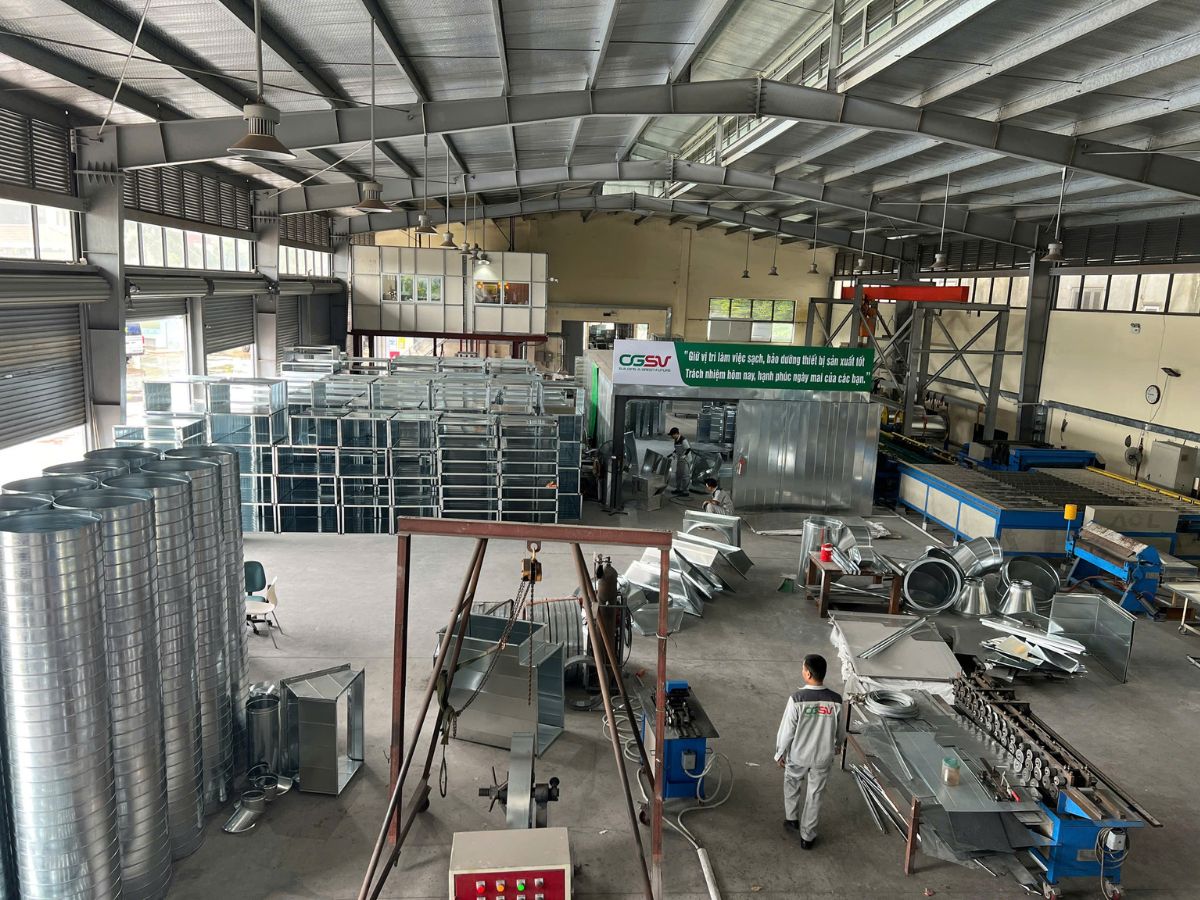
- Priority should be given to selecting EI30 duct manufacturers with proven capabilities and practical experience, possessing standard-compliant factories, modern production lines, and a track record of implementing numerous similar projects, in order to ensure product quality right from the initial stages.
- Complete technical documentation and EI30 certification, including proof of fire resistance, material origin, and acceptance records, are required to ensure the project meets legal requirements and facilitates fire safety inspections.
- Check for compatibility between EI30 ductwork and accompanying accessories, such as elbows, bends, dampers, and grilles, as incompatibility in materials or standards can reduce the fire protection effectiveness of the entire system.
- Ensure that construction adheres to the approved fire safety design and standards, from suspension and support methods to joint connections and surface finishing, in order to maintain fire resistance and airtightness during actual operation.
EI30 ducting is an effective fire-resistant solution for various types of buildings, particularly suitable for ventilation systems requiring basic to medium safety standards. With its stable fire resistance, durable construction, and flexibility in installation, the product plays a crucial role in enhancing fire safety and the operational efficiency of ventilation systems.
Contact information
Address: 267 Le Thanh Tong, May Chai, Hai Phong
Mrs. Hang: 0815.999.826
Mrs Giang: 0934.559.168
Email: vietonggio@gmail.com