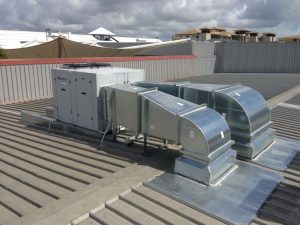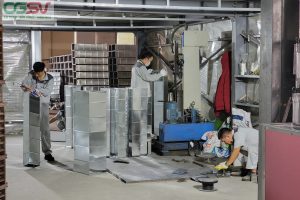
In high-rise apartment projects, the ventilation and air conditioning (HVAC) system plays a particularly important role. Not only does it ensure air circulation and temperature control, but the ductwork also directly affects fire safety and evacuation capabilities in case of an emergency. Therefore, the selection of the right system is crucial. Air ducts for high-rise apartments Meeting technical and fire safety standards is a mandatory requirement for all investors and contractors.
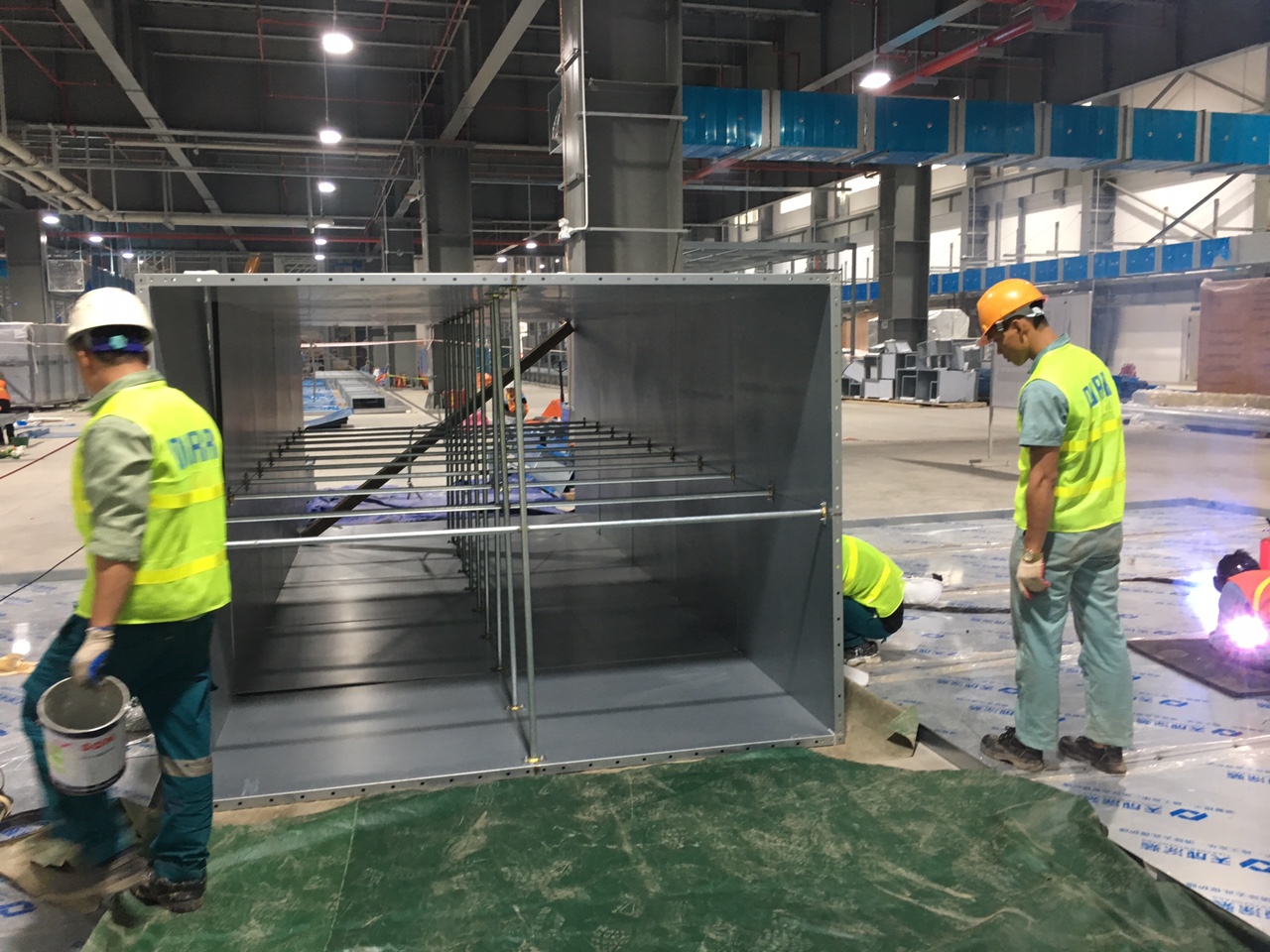
1. The role of duct systems in high-rise apartment buildings.
High-rise apartment buildings are a type of building with a high population density and many enclosed spaces such as apartments, corridors, basements, and technical areas. The duct system has the following functions:
- Supplying fresh air and removing stagnant air in the apartment.
- Kitchen and bathroom exhaust and dehumidifier systems.
- Ventilation for corridors and public areas.
- Smoke extraction and control in the basement and technical shafts.
A properly designed and constructed ventilation system will help improve air quality, enhance living comfort, and ensure stable operation for the entire building.
2. Technical requirements for air ducts in high-rise apartment buildings
Compared to low-rise buildings, Air ducts for high-rise apartments They must meet stricter technical requirements, especially regarding durability and fire safety:
- High airtightness, minimizing air leakage.
- Robust construction, capable of withstanding pressure and vibration during operation.
- Suitable for technical ceiling spaces and vertical shafts.
- Easy to maintain and repair during long-term use.
In addition, the joints, flanges, and accompanying accessories must be precisely machined to ensure the system operates stably and efficiently.
3. The importance of fire-resistant air ducts in apartment buildings
One of the most important requirements for high-rise apartment buildings is fire safety. In the event of a fire, the ventilation system can become a conduit for smoke and heat if it is not designed to be fire-resistant.
Therefore, in areas such as:
- Technical axis
- Emergency exit corridor
- Basement, parking lot
- Smoke extraction area
Fire-resistant ducting meeting EI30, EI60, EI90, or EI120 standards must be used. Fire-resistant ducting helps prevent the spread of fire, limits the amount of toxic smoke, thereby extending evacuation time and effectively supporting rescue efforts.
4. Types of air ducts commonly used in high-rise apartment buildings
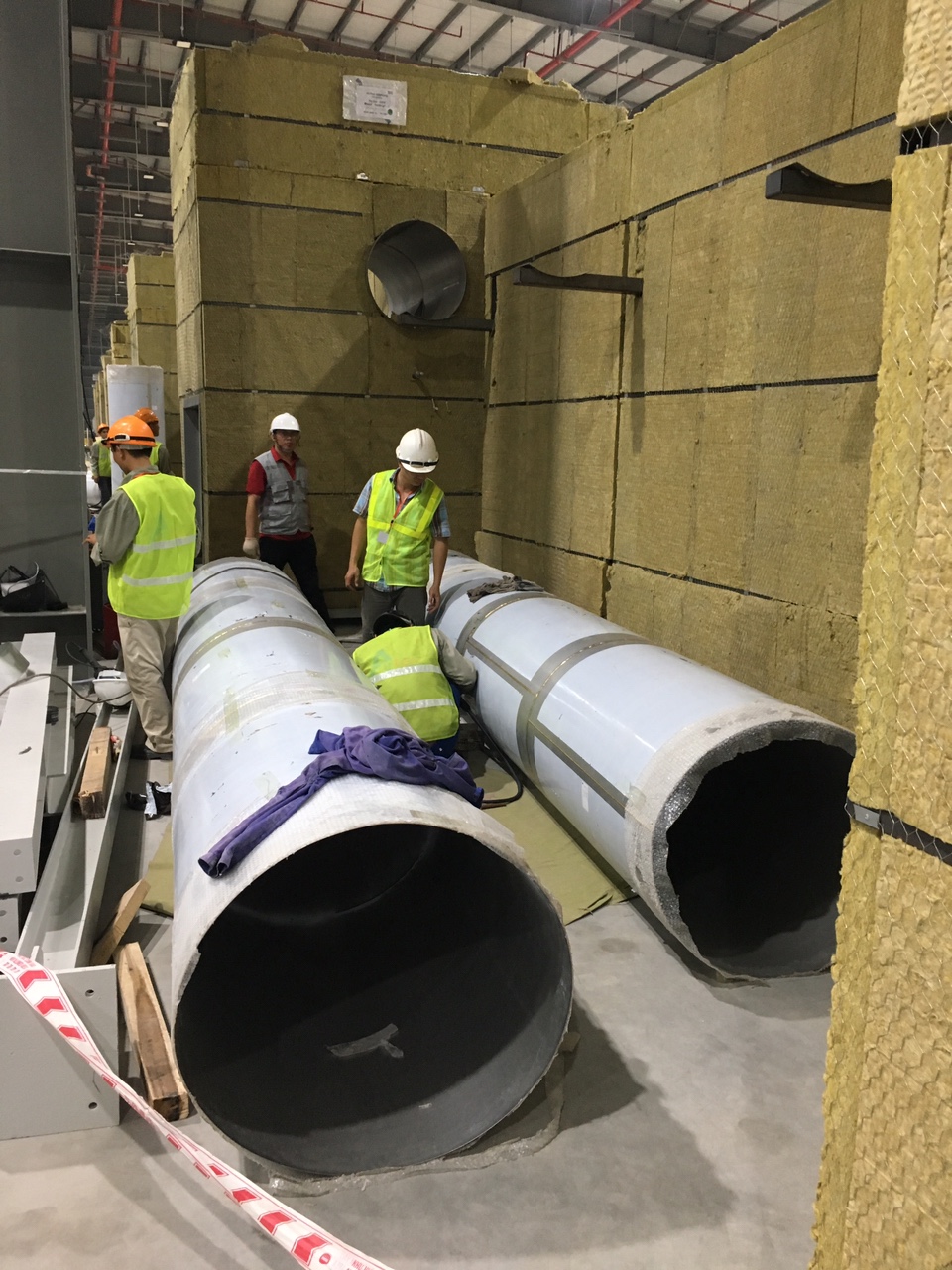
Depending on the specific application, various types of duct systems can be used in apartment buildings:
- Square and rectangular air ductsSuitable for narrow ceiling spaces, easy to arrange.
- Round air ducts: Low pressure loss, high ventilation efficiency.
- Fire-resistant air ducts: Installed in areas requiring strict fire safety regulations.
- Flexible duct: Connect devices, reduce vibration and noise.
Choosing the right type of ductwork optimizes investment costs and operational efficiency for the entire project.
5. Choosing a duct manufacturer for high-rise apartment buildings.
To ensure system quality, investors should choose a reputable duct manufacturer with proven capabilities in terms of factory facilities, machinery, and construction experience. A professional company will provide:
- Air ducts fabricated according to M&E drawings.
- The product meets technical and fire safety standards.
- Complete quality documentation and inspection certificates.
- Optimal solutions for each category in the apartment complex.
Conclude
Air ducting for high-rise apartment buildings is not just a routine technical detail, but a crucial element in ensuring the quality of life and safety of residents. Investing in a standard air duct system from the outset will help the building operate sustainably, meet fire safety requirements, and enhance its long-term value.
If you are undertaking an apartment building project, partnering with a professional duct manufacturer is the right move, helping to save costs and minimize future risks.