With increasingly stringent fire safety regulations, choosing the right type of ductwork for HVAC systems is extremely important. In Hai Phong – a city with many industrial zones, factories, and high-rise buildings – fire-resistant ductwork is becoming a mandatory solution in many projects. So, how does fire-resistant ductwork differ from regular ductwork? Which type should be used for each project? This article will help you compare them in detail and make the most suitable choice.
Overview of ductwork in ventilation systems
>>> See more: EI30 Ducts – Fire Resistance Standards and Practical Applications
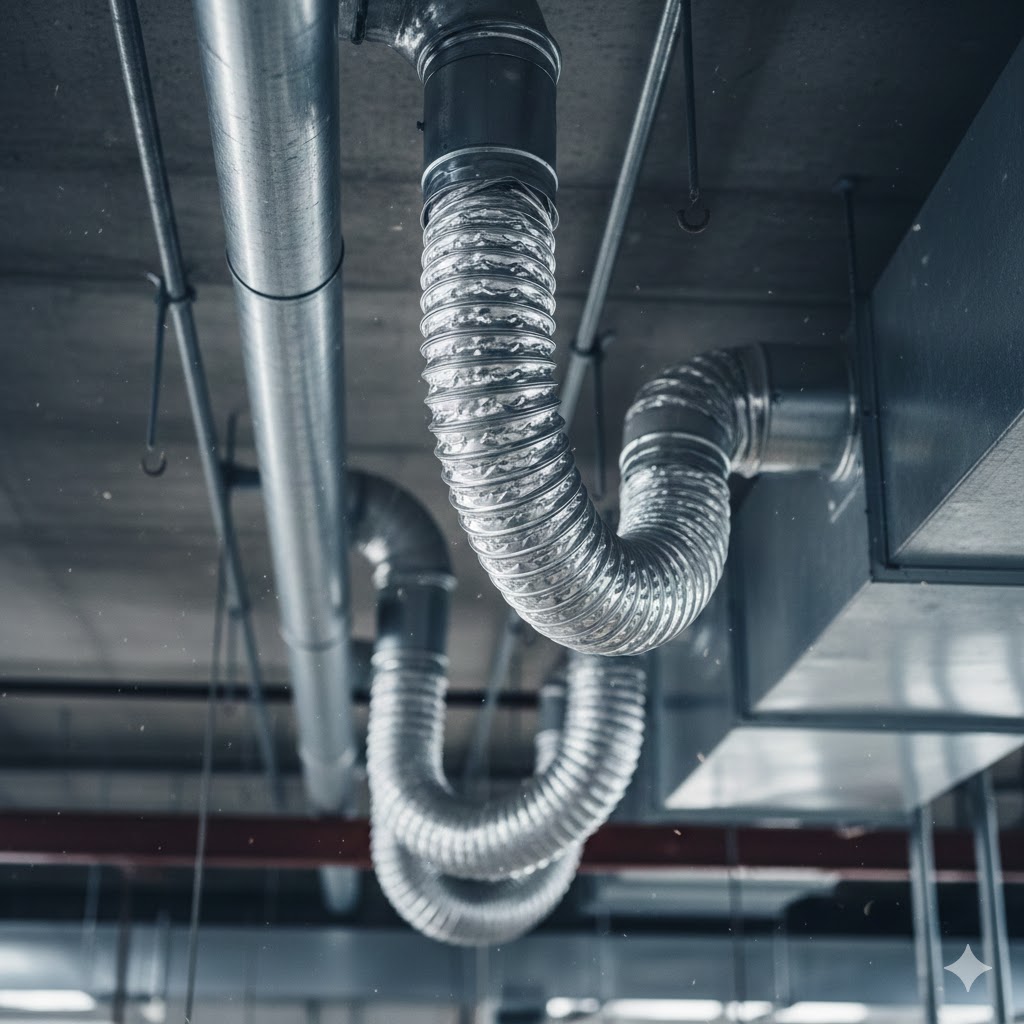
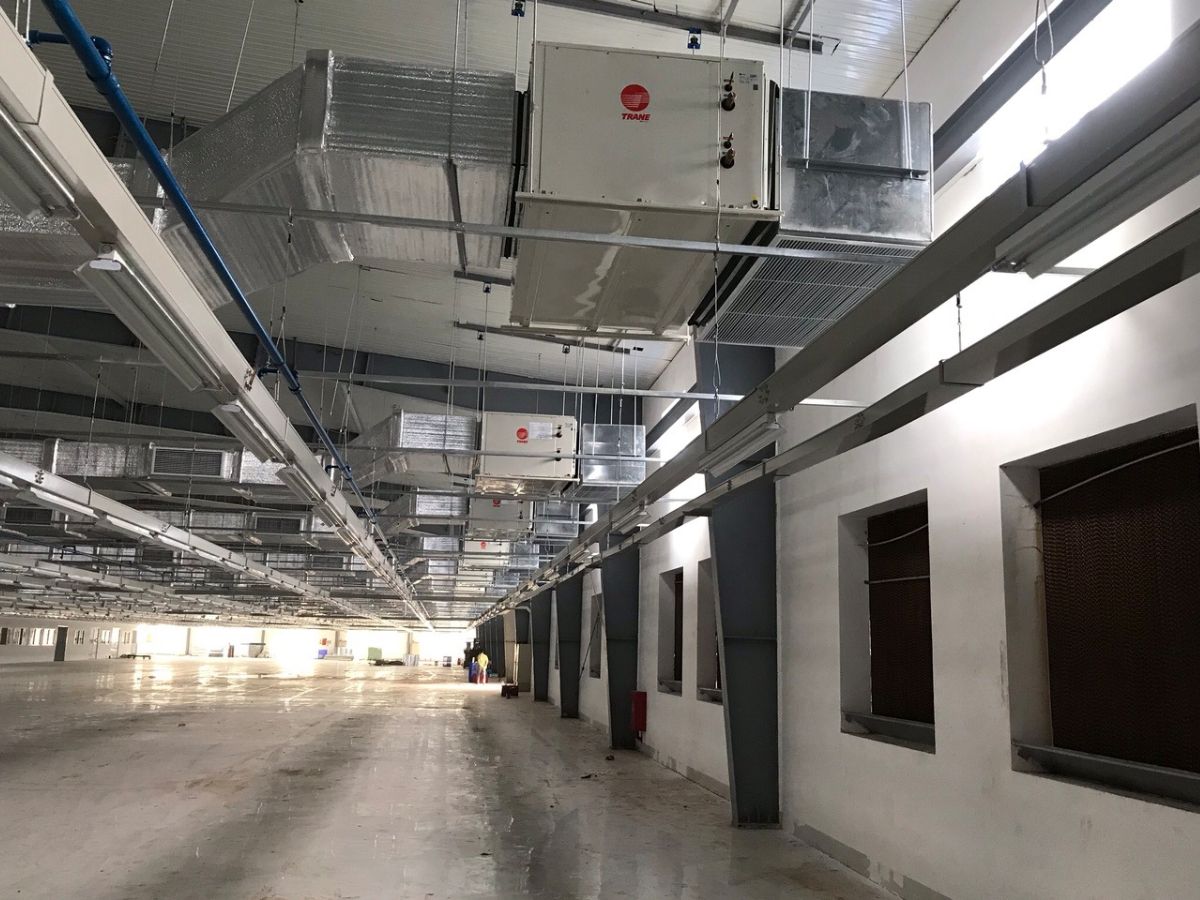
Air ducts are components responsible for conveying fresh air, return air, smoke, or exhaust gases in civil and industrial buildings. Depending on technical requirements, operating conditions, and safety standards, air ducts are divided into many different types, the most common of which are standard air ducts and fire-resistant air ducts.
In modern buildings, especially apartment buildings, shopping malls, and factories, choosing the wrong type of air duct can lead to the risk of fire spreading, causing serious damage to people and property.
What are air ducts typically?
Air ducts are typically made from galvanized sheet metal, stainless steel, or thin steel, without a specialized fire-resistant coating. These ducts are primarily used for ventilation, supplying fresh air, or extracting exhaust gases under normal operating conditions.
The basic characteristics of a typical air duct are:
- Simple structure, without fire-resistant insulation.
- It has low heat resistance and easily deforms when exposed to high temperatures.
- It is not capable of preventing the spread of fire or containing smoke.
- Low initial investment cost.
Ductwork is typically suitable for areas that do not require high fire safety standards or for auxiliary ventilation systems.
What are fire-resistant air ducts in Hai Phong?
Fire-resistant ducting in Hai Phong is a product line specifically designed to meet current fire safety standards. Fire-resistant ducting typically achieves fire resistance ratings such as EI30, EI60, EI90, or EI120, depending on the requirements of each project.
The basic structure of fire-resistant air ducts in Hai Phong is as follows:
- A layer of galvanized sheet metal or high-strength steel tubing.
- Fire-resistant material layer (mineral wool, specialized EI material).
- The outer protective layer resists impact and corrosion.
- Machining of joints, flanges, and couplings ensures smoke tightness.
Thanks to this design, fire-resistant air ducts are able to maintain their air conduction function during a fire and limit the spread of fire through technical shafts.
Comparison of fire-resistant air ducts in Hai Phong and regular ducts.
>>> See more: Ei60 Air Duct – An Enhanced Fire Safety Solution
Fire-resistant air ducts in Hai Phong and regular air ducts have fundamental differences in fire resistance, safety, and technical standards. Understanding these differences helps investors choose the appropriate solution, ensuring both operational efficiency and safety for the building and its users.
Comparison of fire resistance
The most obvious difference between fire-resistant air ducts in Hai Phong and regular air ducts lies in their ability to withstand fire in the event of an incident. Regular air ducts are not designed to be fire-resistant, and therefore are easily deformed, warped, or broken when exposed to high temperatures, completely losing their air conduction function.
In contrast, fire-resistant air ducts in Hai Phong are manufactured to EI30, EI60, EI90, or EI120 ratings, allowing the system to maintain stability for 30 to 120 minutes in fire conditions. This effectively controls smoke and hot air flow, minimizing the risk of fire spreading between areas within the building.
Comparison of safety levels
From a safety perspective, air ducts often pose significant risks because they can act as conduits for the rapid spread of toxic smoke and heat through technical shafts, corridors, or basements. This seriously impacts evacuation capabilities and rescue efforts in the event of a fire.
Meanwhile, fire-resistant air ducts in Hai Phong act as an additional layer of protection, helping to isolate the fire within acceptable limits. The product's smoke-blocking and heat-resistant capabilities help extend the "golden time" for evacuating people and implementing safe firefighting plans.
Comparison of technical standards
Air ducts typically only need to meet the basic requirements of an HVAC system, primarily focusing on airflow and airtightness, and are not required to have fire resistance certification.
Conversely, fire-resistant ductwork in Hai Phong must strictly comply with current fire safety regulations and standards, accompanied by technical documentation, EI inspection certificates, and clear acceptance procedures. This is a mandatory condition for the project to be approved for operation by the authorities.
Comparison of investment costs
In terms of cost, ductwork is generally cheaper, making it suitable for smaller projects or areas that don't require high fire safety standards. However, the initial cost savings may come with significant risks during use.
Fire-resistant air ducts in Hai Phong require a higher investment due to the use of specialized fire-resistant materials and a complex manufacturing process. In return, the product offers long-term safety, ensuring that the project fully meets legal requirements, minimizing risks and remediation costs in the event of an incident.
Applications of fire-resistant ducting and standard ducting.

>>> See more: EI120 Air Duct in Hai Phong – Superior Durability and Fire Resistance
Standard and fire-resistant air ducts have different applications depending on the safety and functional requirements of the building. Choosing the right type helps optimize costs while ensuring fire safety in sensitive areas such as basements, escape corridors, or high-rise buildings.
When should standard air ducts be used?
Ductwork is often an economical solution, suitable for areas and buildings that do not require high fire safety standards. This type of ductwork is suitable for:
- Low-rise housing and small renovation projects: Ductwork typically meets the ventilation and air conditioning needs in confined spaces without stringent fire safety requirements.
- Auxiliary ventilation areas: Secondary shafts or spaces not located within escape routes, where the risk of fire or explosion is low, may utilize standard ductwork to save costs.
- Ventilation systems that do not require strict fire protection: When a building only needs to control airflow and ensure ventilation without fire safety requirements, ductwork is usually still effective.
However, even in smaller buildings, the overuse of ventilation ducts, often in high-risk areas such as basements, escape corridors, or utility shafts, still poses a risk of fire spread and toxic smoke, directly impacting human safety and the building's value.
When should fire-resistant air ducts be used in Hai Phong?
Fire-resistant air ducts in Hai Phong are a mandatory fire safety solution in many types of modern buildings. This product is especially important for buildings with high traffic or areas with potential fire hazards. Specifically:
- High-rise apartment buildings and office buildings: Fire-resistant ductwork is installed in technical shafts, escape corridors, and stairwells to help control smoke and heat and limit fire spread between floors.
- Shopping malls, hotels, and hospitals: These public buildings require ventilation systems that meet fire safety standards, ensuring the safety of users in the event of a fire.
- Factories and industrial zones in Hai Phong: Fire-resistant air ducts help protect production areas, warehouses, and critical equipment, while minimizing property damage in the event of an incident.
- Basements, parking lots, utility shafts, and escape corridors: These are locations where smoke and toxic gases easily accumulate; using fire-resistant ducting helps control airflow, creating more crucial time for evacuation and firefighting.
Why should you use fire-resistant air ducts in Hai Phong?
Hai Phong is a key industrial city, home to many factories, warehouses, and large-scale construction projects. This results in a consistently high risk of fire and explosions. Therefore, fire-resistant air ducts are preferred in Hai Phong due to their advantages:
- Suitable for the climate and industrial environment in Hai Phong: Fire-resistant air ducts are designed to withstand high temperatures, humidity, and the dusty environment typical of industrial zones, factories, and warehouses. Therefore, the product consistently maintains stable operating performance, ensuring effective ventilation under all conditions.
- Easily meets stringent fire safety inspection requirements: With complete certifications and inspection records, fire-resistant ductwork in Hai Phong helps investors and contractors ensure compliance with current fire safety standards, from technical shafts and basements to escape corridors. This helps ensure the project is quickly inspected and put into safe operation.
- Increased safety for people and property: Fire-resistant ducting helps isolate fires, control smoke and heat, thereby creating more crucial time for evacuation and property protection. With fire resistance ranging from 30 to 120 minutes depending on the EI rating, the product helps limit the risk of fire spread in critical areas.
- Minimizing damage in case of an incident: When combined with exhaust fans, fire dampers, and matching accessories, fire-resistant ducting not only protects the building structure but also minimizes material damage, saves on repair costs, and enhances long-term usability.
Things to note when choosing fire-resistant air ducts in Hai Phong.
>>> See more: Round Air Ducts in Hai Phong – Advantages and Practical Applications
For the system to operate effectively, the investor needs to pay attention to the following:
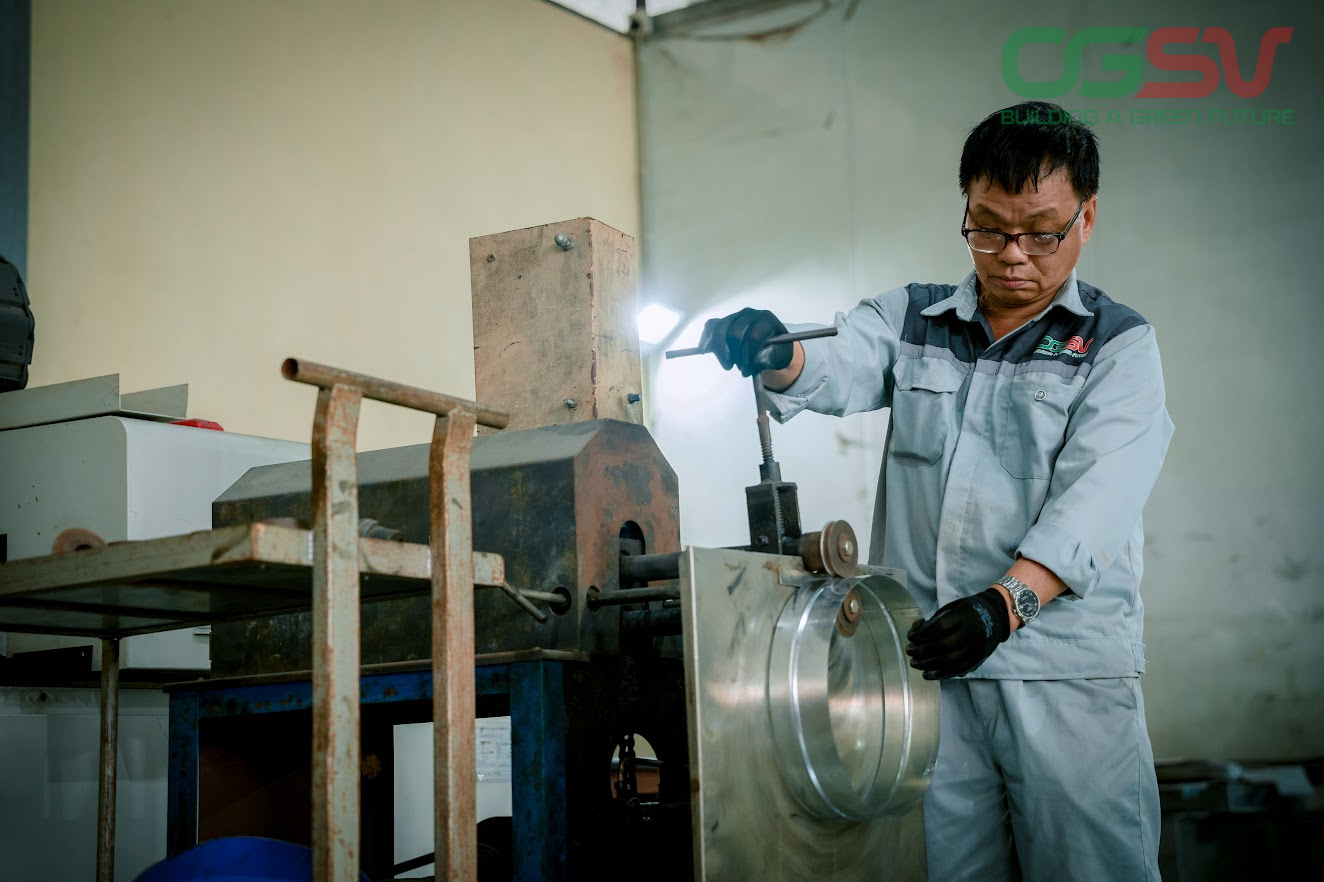
- Choose a reputable manufacturer with modern workshops and machinery: When investing in fire-resistant duct systems in Hai Phong, investors should prioritize suppliers with proven production capacity, spacious workshops, and integrated CNC machinery. This ensures precise product fabrication, meeting technical specifications and consistent quality, minimizing errors during construction and operation.
- Complete EI certification and technical inspection documentation required: A fire-resistant ducting product that meets standards must be accompanied by the corresponding EI certification, material inspection documentation, and acceptance reports as required by fire safety regulations. Checking all documentation helps the investor ensure the system meets acceptance criteria, while also increasing the credibility and long-term value of the project.
- Checking the quality of fire-resistant materials and joints: Joints, corner brackets, and fire-resistant materials play a crucial role in maintaining the fire resistance of ductwork. The investor needs to carefully inspect every detail, from galvanized steel and stainless steel to matching accessories, to ensure the system operates airtight, preventing smoke and heat leakage in case of an emergency.
- Ensuring construction adheres to design and fire safety standards: In addition to selecting standard-compliant products, the installation process must strictly follow the design drawings, suspension and connection procedures, and fire safety standards. Incorrect construction techniques or the use of substandard products can lead to the project failing acceptance testing, posing a risk of fire spread and endangering users and property.
In comparison, it can be seen that conventional air ducts are only suitable for simple projects with low safety requirements. Meanwhile, fire-resistant air ducts in Hai Phong are a comprehensive solution for modern buildings where fire safety is paramount.
Investing in fire-resistant ductwork is not just about compliance, but also about protecting people, property, and the long-term value of the building. If you are undertaking a project in Hai Phong, choosing the right type of ductwork from the outset will save costs, time, and avoid unnecessary risks in the future.
Contact information
Address: 267 Le Thanh Tong, May Chai, Hai Phong
Mrs. Hang: 0815.999.826
Mrs Giang: 0934.559.168
Email: vietonggio@gmail.com