Explain the role of airflow control in HVAC systems, the necessary preparations, and the information to be recorded during acceptance testing.

After the ductwork and equipment are installed, the system needs to be tested to determine its operational capability as designed. Airflow adjustment is a step that helps distribute air to areas more effectively according to requirements. If this is omitted or performed before the system is complete, the building may experience over-airflow in some areas and under-airflow in others, or require multiple adjustments.
1. What is airflow adjustment?
Calibration is the process of measuring, comparing, and adjusting the flow rate at branches or air inlets to approximate the design value under defined test conditions. This work is usually performed by a specialized unit with appropriate measuring equipment according to the project's acceptance procedures.
Adjustments do not replace quality checks of workmanship or tightness of the pipe. If the pipeline has misalignments, leaks, or incorrectly fitted fittings, the cause must be addressed before final adjustments are made.
2. What preparations are needed before taking the measurement?
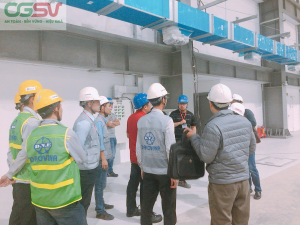
The ductwork, air vents, dampers, and related equipment must be installed according to the approved plans. Accessibility of the measurement site, cleanliness, valve opening direction, and fan operating conditions should be checked. As-built drawings or system diagrams can also help identify the measurement location and compare data.
3. Errors that make calibration time-consuming
Some common issues include missing route identification labels, obscured dampers, size discrepancies from drawings, incomplete branches, or inconsistent operating conditions. Changing the damper position after measurement can also mean that previous results no longer represent the final configuration.
4. Pre-acceptance inspection checklist
The list below will assist parties in preparing documentation and sitework; acceptance criteria must conform to the approved design and procedures.
| Category | Content of the test | Evidence should be preserved. |
| Blueprint | Correct version, reflecting approved changes. | As-built drawings or updates |
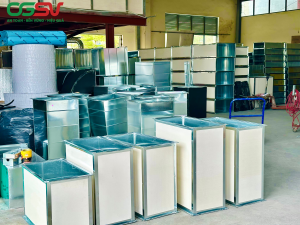
| Air ducts and accessories | Correct alignment, correct dimensions, perfect joints. | Installation inspection report |
| Air valve | Accessible location, operating adjustment mechanism | Initial location and status categories |
| Air vents | Install it in the correct position, ensuring it is not obstructed. | Air vent code diagram |
| Measurement | The equipment and measurement conditions are suitable for the process. | Table of measurement data and adjustment results |
Conclusion
Airflow calibration is a crucial step in moving from installation completion to operational testing. Thorough preparation of drawings, route markings, and accessibility conditions will facilitate a clear inspection process, reducing the time spent correcting discrepancies before handover.
Contact Sao Viet Air Ducting
Sao Viet Air Ducting supplies air ducts and accessories according to project drawings, assisting contractors in clarifying structural information and scope of supply right from the ordering stage.
SAO VIET AIR DUCT MANUFACTURING AND TRADING COMPANY LIMITED
Address: 267 Le Thanh Tong, May Chai, Hai Phong
Hanoi Representative Office: No. 19, Lane 24, Kim Dong Street, Giap Bat Ward, Hoang Mai District, Hanoi
Hotline: 0815.999.826 – 0934.559.168 | Technical support: 0949.852.886
Email: vietonggio@gmail.com