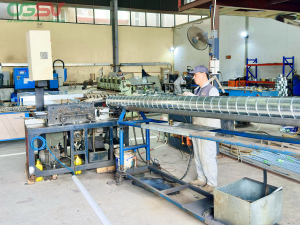

Industrial environments can vary significantly in humidity, temperature, dust, and chemical agents. Therefore, the selection of ducting materials should be based on the operating conditions and technical requirements of each project, rather than simply comparing initial unit prices. The right material helps the system meet its intended purpose and facilitates easier maintenance.
1. Starting with operating conditions
It is necessary to determine whether the ductwork is for fresh air supply, exhaust air extraction, general ventilation, or a specific process. Temperature, humidity, airflow characteristics, and installation location can all influence material selection. For airflows with special compositions, consult the design team and relevant experts for their requirements.
2. Compare the requirements in the file.
The specification must clearly state the material type, thickness, surface requirements, and acceptance criteria. Material substitutions should not be based solely on the assumption that the two types are similar in appearance. Any changes must be checked for suitability and approved according to the project's procedures.
3. Consider the total lifecycle cost.
Material cost is one factor, but maintenance costs, replacement availability, accessibility, and expected lifespan also need to be considered. In hard-to-reach areas, choosing the right configuration from the outset can help minimize operational disruptions later on.
4. Material Comparison Criteria Table
The table below is an initial communication framework; it does not replace the manufacturer's design advice or technical documentation.
| Criteria | The question needs clarification. | References |
| Environment | Is there high humidity, salt spray, or corrosive agent present? | Description of operating conditions |
| Air stream temperature | What is the operating temperature range? | Design specifications |
| Type of system | Air supply, air return, exhaust, or specialized systems? | HVAC diagram |
| Fire safety requirements | Are there any fire protection or smoke control requirements? | Fire safety plan approved |
| Surfaces and hygiene | Are there any special cleaning or dust control requirements? | Project Specification |
| Acceptance testing | What documents, samples, or tests are needed? | Project quality plan |
Conclusion
The choice of ducting material should be based on the working conditions and approved requirements. When material specifications are clearly defined in the order document, it will be easier for all parties to compare quotations, check quality, and manage changes.
Contact Sao Viet Air Ducting
Sao Viet Ducting supplies ducting and accessories according to project specifications. Contractors can submit specifications and drawings to discuss scope of fabrication, materials, and other necessary confirmations.
SAO VIET AIR DUCT MANUFACTURING AND TRADING COMPANY LIMITED
Address: 267 Le Thanh Tong, May Chai, Hai Phong
Hanoi Representative Office: No. 19, Lane 24, Kim Dong Street, Giap Bat Ward, Hoang Mai District, Hanoi
Hotline: 0815.999.826 – 0934.559.168 | Technical support: 0949.852.886
Email: vietonggio@gmail.com