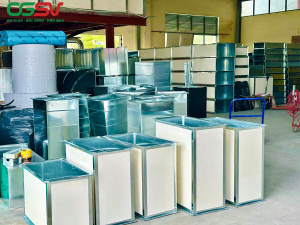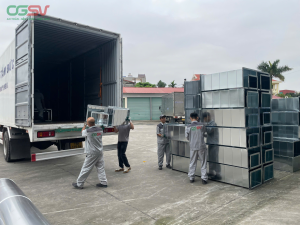
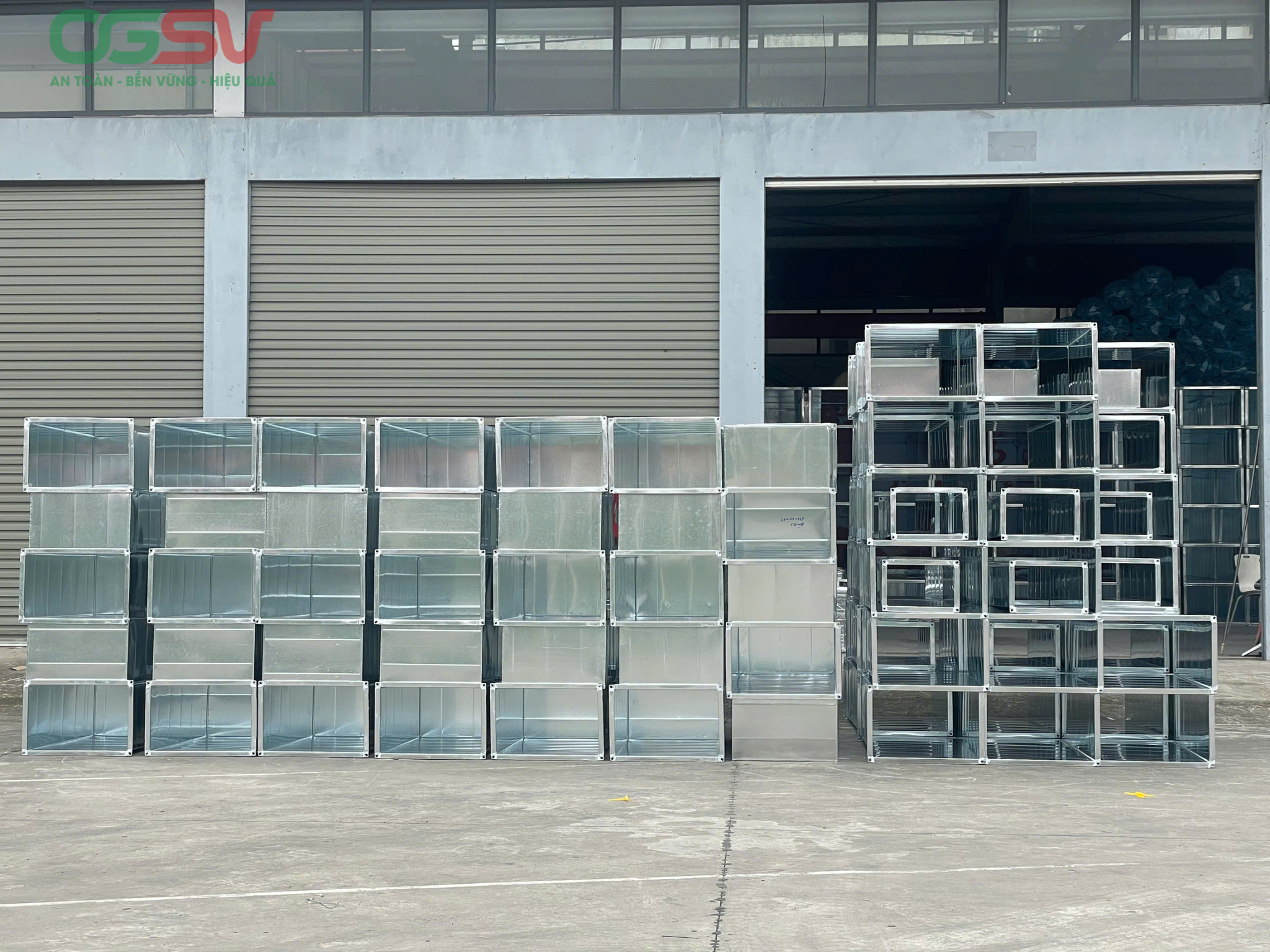
In the context of the construction industry increasingly focusing on sustainable development, green building materials are becoming the preferred choice in modern constructions. Particularly in ventilation and air conditioning systems, the use of environmentally friendly insulation not only saves energy but also reduces the generation of fine dust and other substances harmful to health.
Modern insulation materials are designed to minimize environmental impact while maintaining high thermal and sound insulation, as well as durability, for HVAC duct systems.
Trends in green materials for duct insulation.
The green materials trend in the HVAC industry focuses on using materials that are sourced safely, have low emissions, and are recyclable. Compared to traditional materials, environmentally friendly insulation offers numerous health benefits and operational efficiency advantages.
Some notable characteristics of green insulation materials:
- Minimal fine dust is generated during the installation process.
- It does not contain harmful substances that affect indoor air quality.
- Excellent thermal insulation and energy saving capabilities.
- It can be recycled or reused after disassembly.
Thanks to these advantages, green insulation materials are increasingly being used in office buildings, hospitals, shopping malls, and high-end residential buildings.

Common types of environmentally friendly insulation
Currently, the market offers many types of environmentally friendly insulation used in ductwork and air conditioning systems.
Dust-free fiberglass wool (Eco Glass Wool)
This is a common insulation material in HVAC systems. Newer generations of fiberglass insulation have been improved to reduce fine dust generation, making the installation process safer for engineers and workers.
Advantage:
- Good thermal and sound insulation properties.
- Lightweight
- Reasonable price
- More environmentally friendly than older materials.
Environmentally friendly mineral wool
Mineral wool is produced from molten natural rock and possesses high heat resistance and good fire resistance. Many manufacturers have now improved their production processes to reduce emissions and increase the recyclability of the material.
Advantage:
- Good fire resistance
- High durability
- Effective soundproofing
- Minimal environmental impact
Vulcanized rubber is emission-free.
Rubber insulation is also a green insulation material widely used in air conditioning systems.
Advantage:
- No fine dust is generated during the construction process.
- Good anti-condensation properties
- High durability and easy installation.
- More environmentally friendly than some traditional materials.
The benefits of green insulation for buildings.
The use of environmentally friendly insulation materials offers many long-term benefits for both the building and its users.
Improve indoor air quality.
Green insulation materials limit the generation of dust and chemicals, resulting in cleaner and safer indoor air for health.
Energy saving
High-quality insulation helps reduce heat loss in air conditioning systems, thereby reducing energy consumption and optimizing operating costs.
Increase the lifespan of your HVAC system.
Good insulation helps to limit condensation and corrosion, thereby extending the lifespan of duct systems and air conditioning equipment.
Conclude
The trend of using green materials in duct insulation is becoming the new standard in modern construction. Choosing environmentally friendly insulation that does not generate fine dust not only helps protect human health but also contributes to reducing negative impacts on the environment.
In the future, construction projects will increasingly prioritize the use of green and energy-efficient materials, creating more sustainable living and working spaces.