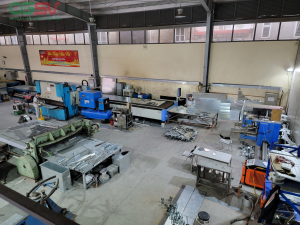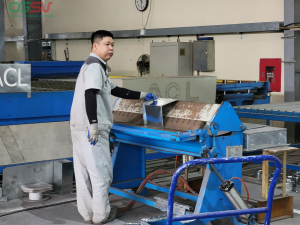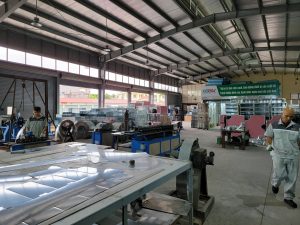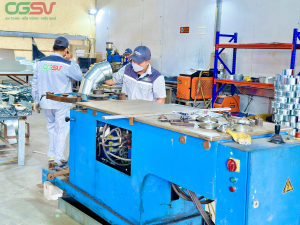
In the context of increasingly developing urban areas, the need for well-ventilated, energy-efficient living and working spaces is becoming urgent. One of the effective solutions currently available is the design of natural ventilation combined with mechanical ventilation. Particularly in industrial and urban areas like Hai Phong, the application of Hai Phong air duct systems in this model helps improve air quality and optimize operating costs.
What is natural ventilation?
Natural ventilation is a method of utilizing natural elements such as wind, pressure, and temperature to circulate air within a building. Common solutions include:
- Arrange windows and ventilation openings appropriately.
- Skylight design
- Take advantage of the prevailing wind direction.
- Utilize open materials and architecture.
The advantages of natural ventilation are energy savings and environmental friendliness. However, this method is highly dependent on weather conditions and does not always guarantee consistent effectiveness.
Mechanical ventilation and the role of duct systems
Mechanical ventilation utilizes devices such as exhaust fans, supply fans, and air conditioners to regulate airflow. In this context, the duct system in Hai Phong plays a crucial role in transporting air to various areas within the building.
Advantages of mechanical ventilation:
- Proactively control air flow and quality.
- Suitable for workshops, enclosed spaces, and crowded areas.
- Stable operation, independent of weather conditions.
However, this system consumes a lot of electricity and requires careful design to avoid waste.
Combining natural and mechanical ventilation – The optimal trend.
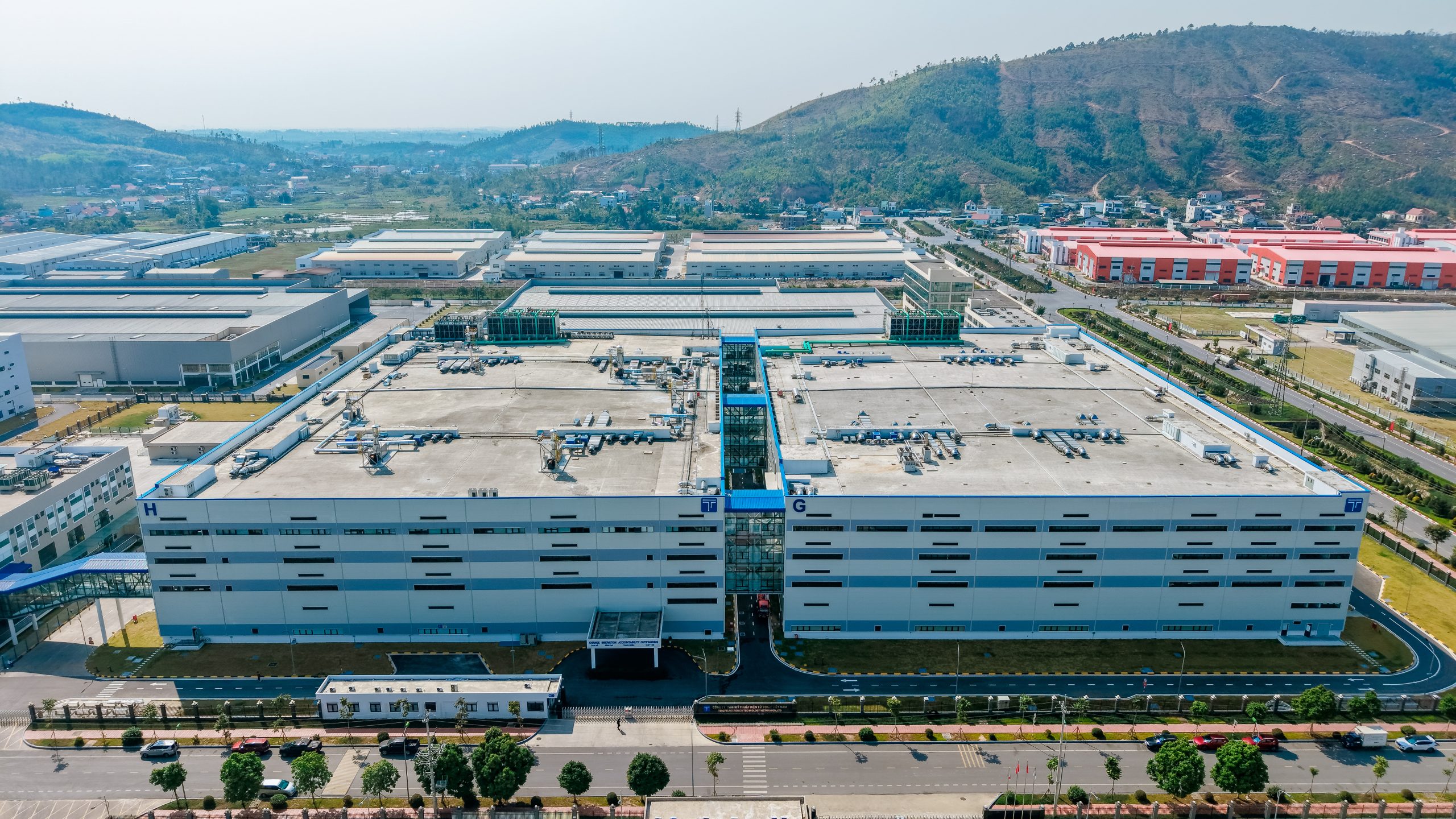
Combining these two methods yields outstanding results, saving energy while ensuring air quality.
Operating principle
- During the day: take advantage of natural ventilation through windows and skylights.
- When necessary: Hai Phong's duct system and mechanical fans assist in air circulation.
- At night or in bad weather: rely entirely on mechanical ventilation.
Key benefits
- Save on operating costs.
Reduce reliance on electrical appliances, thereby significantly lowering electricity costs. - Increase system lifespan
Mechanical systems do not need to operate continuously, which helps reduce equipment wear and tear. - Improve air quality
The air is constantly circulated, reducing the accumulation of dust, bacteria, and toxic gases. - Optimizing building design
A flexible combination of architecture and engineering makes the building more modern and sustainable.
Practical application in Hai Phong
In Hai Phong – an area with many factories, workshops, and commercial buildings – this solution is widely applied:
- Factory/workshop: combining natural ventilation and duct systems.
- Restaurants and eateries: reduce odors and improve air circulation.
- Residential housing: creating a spacious and airy living environment while saving electricity.
Choosing a reputable ductwork contractor in Hai Phong is crucial to ensuring the system's effectiveness.
Considerations when designing combined ventilation systems.
To achieve optimal results, the following factors should be considered:
- Accurate wind flow calculation
Ensure adequate ventilation for each area of use. - Proper placement of doors and air ducts.
Avoid airflow conflicts or energy loss. - Choosing quality duct materials
Galvanized steel or stainless steel air ducts help increase durability and operational efficiency. - Regular maintenance
Ensure the system is always running smoothly and cleanly.
Conclude
Combining natural and mechanical ventilation is an inevitable trend in modern buildings. This solution not only saves energy but also improves the quality of living and working environments. Especially with the strong development of the construction industry in Hai Phong, investing in a professional Hai Phong ventilation system will be key to achieving optimal efficiency and long-term sustainability for your project.