The importance of air filtration technology in HVAC systems.
In the context of increasing air pollution, ensuring indoor air quality has become crucial for health and work performance. HVAC (Heating, Ventilation, and Air Conditioning) systems not only regulate temperature but also play a key role in air purification. Especially when combined with high-quality HVAC ductwork, the system operates more efficiently, providing a safer living and working environment.
Modern air filtration technology is the solution for duct systems, helping to remove fine dust, bacteria, mold, and allergens, thereby improving air quality in enclosed spaces.
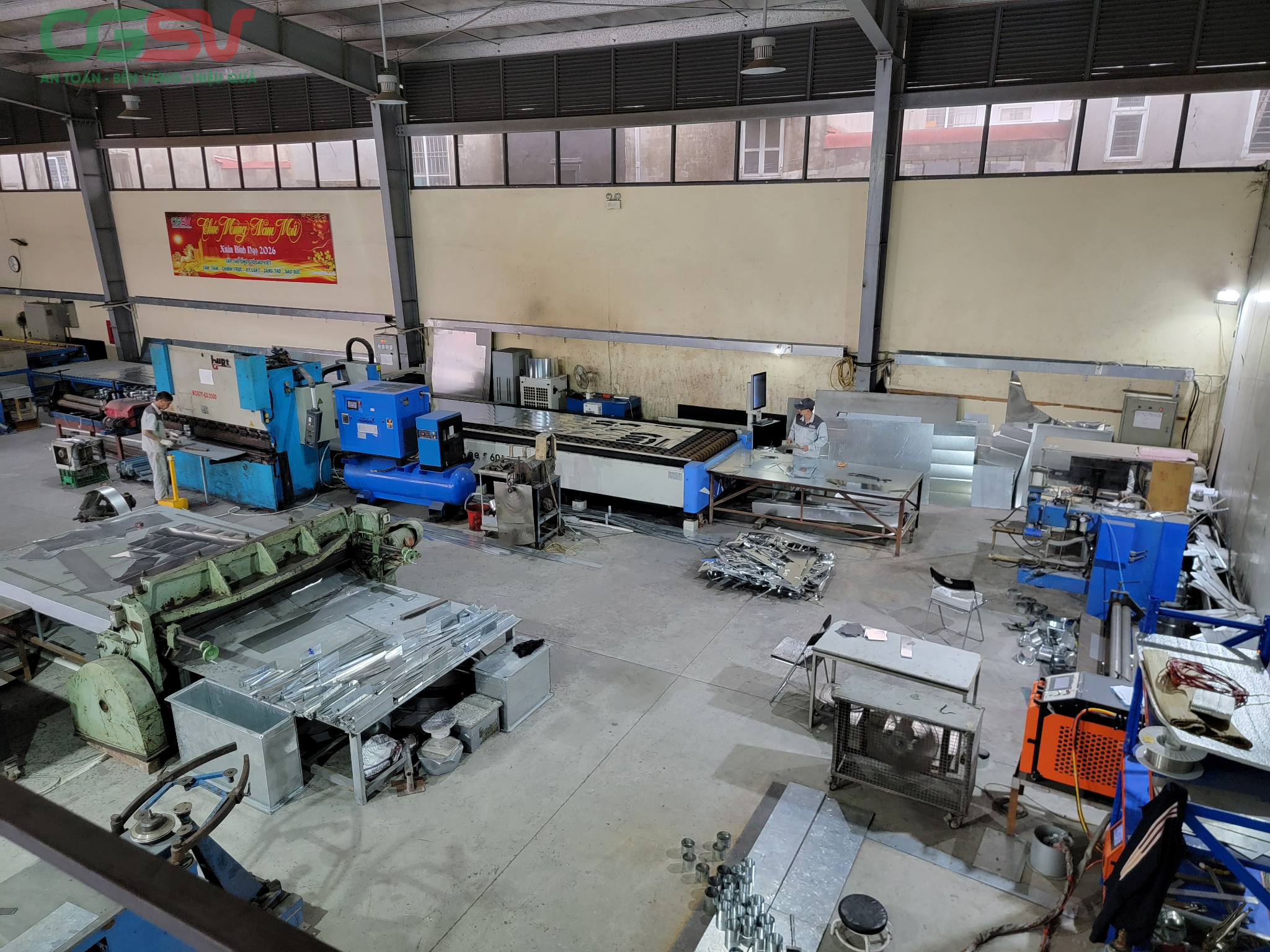
Common air filtration technologies in HVAC duct systems
HEPA filters – The gold standard in air filtration.
HEPA (High Efficiency Particulate Air) filters are considered one of the most effective filtration technologies available today. With the ability to retain up to 99,971 ultrafine dust particles (0.3 micron in size), HEPA filters are commonly used in hospitals, clean rooms, and areas requiring high purity.
When integrated into HVAC duct systems, HEPA filters help ensure that circulating air is always clean and safe, minimizing the risk of airborne bacterial spread.
Activated carbon filtration technology
Activated carbon has the ability to absorb odors, toxic gases, and volatile organic compounds (VOCs). It is an ideal choice for factories, restaurants, industrial kitchens, or any place with strong odors.
Incorporating this technology into HVAC ductwork solutions helps eliminate unpleasant odors and significantly improve air quality.
Ionization technology
Ionization technology generates negative ions that neutralize dust particles and bacteria in the air. When these particles become electrically charged, they are easily trapped by filters or fall to surfaces.
This is a new advancement that allows HVAC ductwork to not only transport air but also actively clean the air during circulation.
UV-C germicidal lamps
UV-C lamps use ultraviolet light to kill bacteria, viruses, and mold. This technology is often installed in HVAC duct systems to disinfect air before it is introduced into the living space.
The application of UV-C in HVAC ductwork solutions is particularly suitable for hospitals, clinics, and high-traffic areas.
Benefits of applying air filtration technology in HVAC duct systems.
Integrating modern filtration technologies into HVAC systems offers many practical benefits:
- Improve healthReduces the risk of respiratory illnesses and allergies.
- Increase work efficiencyClean air helps improve concentration.
- Protect the device: Reduces dust and dirt buildup in HVAC duct systems, extending their lifespan.
- Optimize operationsReduce maintenance costs and save energy.
In particular, making the right choice. Suitable HVAC ducting Combining it with filtration technology will help the entire system operate more stably and efficiently.
Considerations when choosing an air filtration solution for HVAC duct systems.
To achieve optimal results, the following factors should be considered:
- Identify usage requirementsCleanrooms, factories, and other similar facilities have different requirements.
- Choose quality HVAC ducting.Ensure airtightness and minimize leaks.
- Regular maintenanceReplace the filters and clean the system regularly.
- Combining multiple technologiesHEPA + activated carbon + UV-C will provide maximum effectiveness.
Conclude
Air filtration technology is playing an increasingly important role in improving the quality of life and work. Integrating advanced filtration solutions into HVAC duct systems not only helps to clean the air but also optimizes the operational efficiency of the entire system.
If you're looking for an efficient HVAC duct system solution, don't overlook the application of modern filtration technologies. This is the inevitable trend for smart, sustainable, and safe buildings of the future.