When evaluating the quality of a modern building, people often pay attention to the exterior architecture or high-end interior materials. However, the real factor that determines the living experience, the health of the users, and the long-term sustainability of the building lies in the underground electrical and mechanical systems.
In this context, the HVAC system is considered the green lung of every building. This system not only performs the simple task of regulating temperature, but is also responsible for controlling the entire cycle of air circulation, humidity, and cleanliness of the interior space.
1. What is an HVAC System?
The term HVAC is an acronym for three core functions: Heating, Ventilation, and Air Conditioning. It is a complex system comprising a central fan, AHU (Air Handling Unit), chiller, filtration system, and a tightly interconnected duct network.
A building without a proper HVAC system is like a body lacking metabolism. The air inside will quickly become stagnant, accumulating large amounts of CO2 emitted by people, creating the "closed building syndrome" that causes fatigue and reduces the productivity of residents.
2. The Role of Ventilation Systems in Building Protection
Of the three components of HVAC, the ventilation component is often the least noticed by users, but it plays a crucial role in the structural integrity of a building.
Control humidity and prevent mold.
High humidity is the number one enemy of interiors and concrete wall structures. Condensation on drywall ceilings, walls, and hidden corners often occurs due to uneven air circulation. In this respect, the role of ventilation systems This involves continuously drawing out humid air and moisture from living areas, replacing it with a stream of treated, dry air. Maintaining an ideal humidity level between 50% and 60% completely eliminates mold spores, protecting paintwork, interior wood furniture, and expensive electronic equipment from rust and short circuits.
Increase the lifespan of the building's load-bearing system.
Smoke, dust, cleaning chemicals, and suspended organic impurities, if accumulated over time in enclosed spaces, will adhere tightly to structural surfaces. Under the influence of thermal trapping (the phenomenon of heat being trapped in a glass room), these impurities will accelerate the corrosion process of the materials. A continuously operating ventilation system helps lower the internal temperature, relieve thermal pressure on the beams and floors, thereby keeping the building structure stable over time.
Table of Impacts of HVAC Systems on Buildings
| Control Factors | HVAC System Failure Status | HVAC System Standard Status |
| Air humidity | High (> 80%), causing condensation and mold growth. | Stable (50 – 60%), dry, clean |
| CO2 content | High levels of buildup can cause suffocation and headaches. | Continuously refreshed with fresh air. |
| Durability of interior materials and wall paint. | Rapid deterioration due to dampness, mold, and high temperatures. | Maintain maximum design lifespan. |
3. Invest in a Standard HVAC System Right from the Construction Stage.
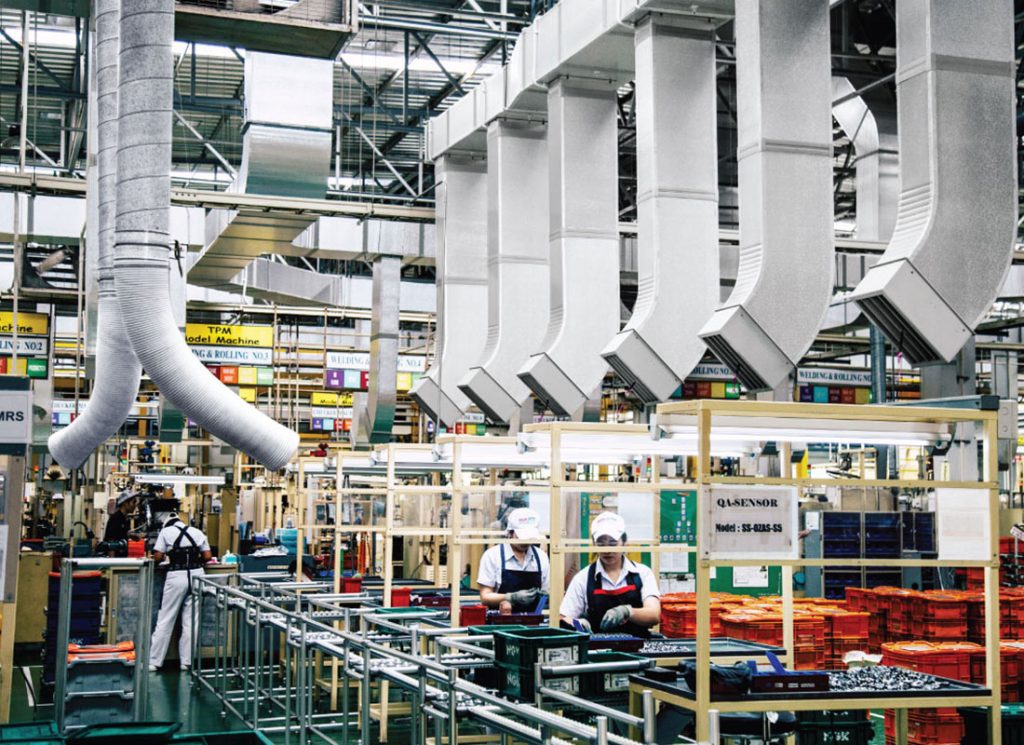
To HVAC system To maximize functionality and ensure energy-efficient operation, the investor needs to coordinate seamlessly with the MEP contractor right from the architectural design stage.
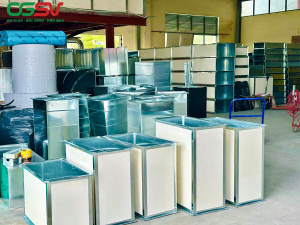
- Technical shaft spatial planning: The dimensions of the technical box (conduit box) and false ceiling space must be calculated to be wide enough to accommodate square or spiral round air ducts with standard bending radii, avoiding duct distortion that causes air pressure loss.
- Selection of gas pipeline materials: The pipeline must be fabricated from galvanized sheet metal or stainless steel of standard thickness, and wrapped with a closed-cell vulcanized rubber insulation layer to prevent heat leakage and condensation on the outer wall.
Conclusion
Clearly understand the role of ventilation systems and components HVAC system Overall, this forms the basis for creating a sustainable and livable property. This is not an additional expense but a long-term investment that increases the commercial value of the property while minimizing future repair and renovation costs due to deterioration.
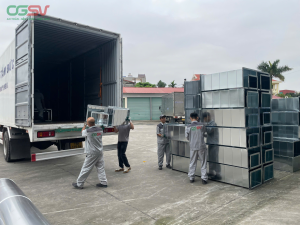
If you, as an investor and design firm, are looking for a high-quality HVAC ductwork fabrication factory, contact Sao Viet today to receive support from our team of highly experienced engineers!
>>> See more: Get free technical advice and a quote!
If you are looking for a reliable ducting supplier that guarantees safety, durability, and efficiency for your project in Hai Phong and surrounding provinces, please contact us immediately:
Address: 267 Le Thanh Tong, May Chai, Hai Phong
Mrs. Hang: 0815.999.826
Mrs Giang: 0934.559.168
E-mail: vietonggio@gmail.com