
In HVAC (heating, ventilation, and air conditioning) systems, air vents play a crucial role in distributing airflow to various areas of a building. Choosing the wrong type of vent can result in uneven airflow distribution, causing discomfort and reducing cooling or ventilation efficiency. Therefore, understanding how to select the appropriate vent for each space is essential in the design and construction of HVAC systems.
1. Air diffuser vent – Suitable for living rooms and offices
Diffusers are typically installed on the ceiling and are capable of distributing air evenly in multiple directions. This type of diffuser helps to spread the airflow widely, reducing the amount of air blowing directly onto people.
Highlights:
- Even air distribution throughout the space.
- Aesthetically pleasing design, suitable for gypsum ceilings.
- Reduce noise and create a comfortable atmosphere.
Suitable space:
- Living room
- Office
- Shopping mall
- Meeting room
Thanks to their excellent diffusion capabilities, these types of air vents are often used in areas requiring even and stable air distribution.
2. Slot diffusers – An aesthetic solution for modern buildings.
Slot diffusers feature a long, slender, and sophisticated slot design. They are a popular choice for projects with high aesthetic demands, such as hotels, villas, or luxury apartments.
Advantage:
- Modern and luxurious design
- Easy to arrange along the ceiling or wall.
- Suitable for minimalist architectural spaces.
Suitable space:
- Luxury apartment
- Hotel
- Restaurant
- Showroom
Thanks to their high aesthetic appeal, slot air vents are often combined with concealed ceiling air conditioning systems to create a streamlined and modern interior space.
3. Oval-shaped air vents – Optimized for supply and return air
Linear grilles are a common type of air grille in HVAC systems due to their ability to flexibly adjust airflow direction.
Advantage:
- Easily adjust the wind direction.
- Suitable for both supply and return air applications.
- Flexible installation on walls or ceilings.
Suitable space:
- Bedroom
- Lobby
- Factory
- Commercial area
This type of air vent is particularly effective in systems requiring precise airflow direction.
4. Return air vents – A crucial component of the ventilation system.
In addition to the supply air vents, the return air vents help to return air to the system for reprocessing or recirculation. This is a crucial component for maintaining pressure balance and ensuring indoor air quality.
Characteristic:
- Usually has a dust filter.
- Simple design
- Stable suction flow
Suitable space:
- Central air-conditioned room
- Clean room
- Office building
- Shopping mall
Proper placement of return air vents will help the HVAC system operate efficiently and save energy.
5. Some considerations when choosing air vents
To choose the right air vent for each space, the following factors should be considered:
- System design airflow
- Area and ceiling height of the space
- The intended use of the area
- Architectural aesthetic requirements
- Permissible noise level
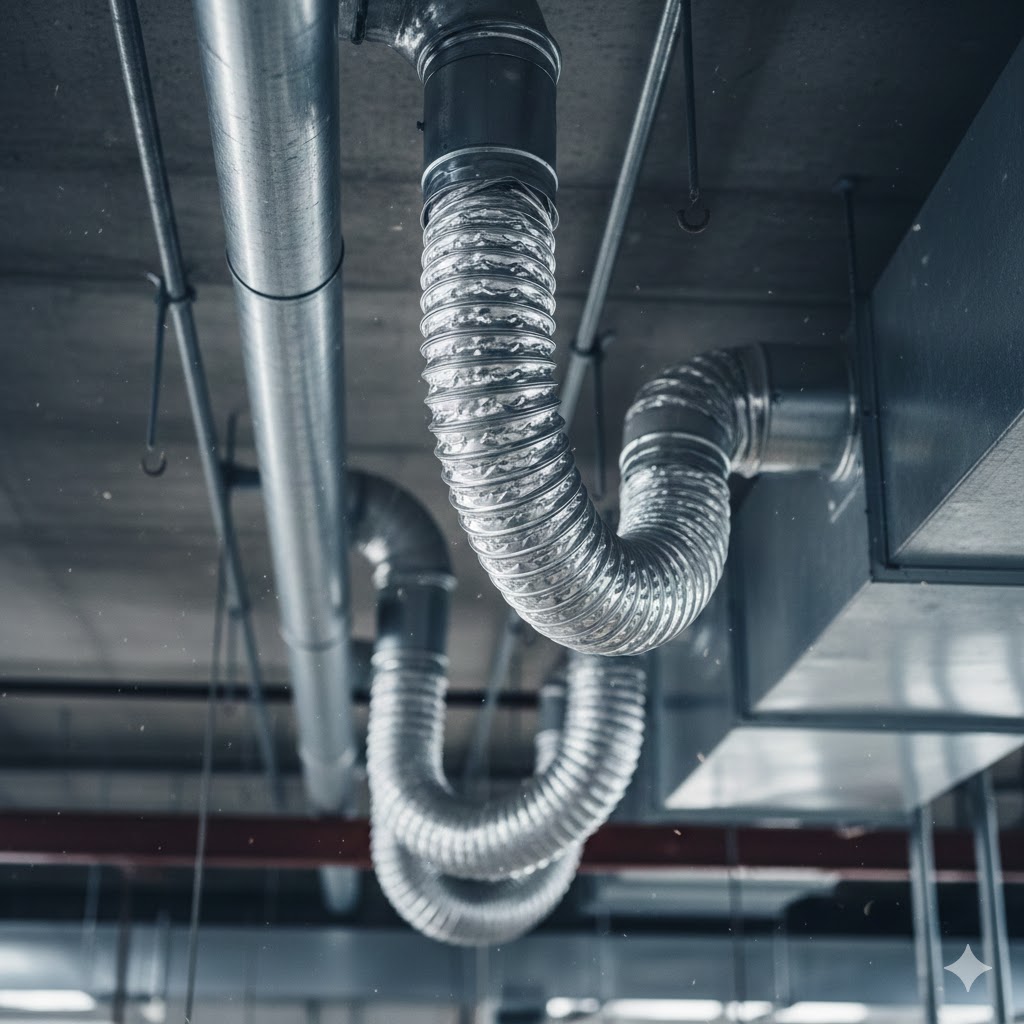
In addition, the material of the air vent (powder-coated aluminum, galvanized steel, etc.) also affects its durability and corrosion resistance.
Conclude
Choosing the right air vents for each space not only optimizes air distribution but also enhances the aesthetics of the building. Depending on the intended use, area, and design requirements, various types of vents such as diffusers, slot vents, oval louvre vents, or return vents will provide the optimal solution for the HVAC system.
If designed correctly from the start, the air vent system will help keep the space well-ventilated, save energy, and ensure stable long-term operation.