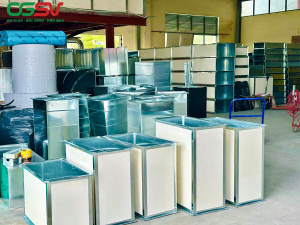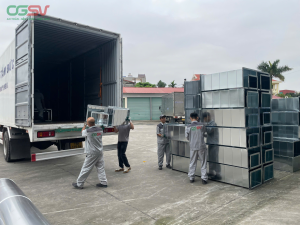
During the design and construction of duct systems, one of the crucial but often overlooked factors is the thickness of the duct material. Choosing the appropriate thickness not only affects durability but also determines operational efficiency, investment costs, and the lifespan of the entire system. So, what is the ideal duct thickness? Let's explore this in detail in the article below.
1. Why is thickness important in duct systems?
In any duct system, ducts play a crucial role in transporting air from the source to the areas of use. If the thickness is not up to standard, the system can encounter many problems such as:
- Deformed, dented when subjected to high wind pressure
- Air leak, causing energy loss
- Increase the noise level. during operation
- Reduces system lifespan., resulting in repair costs.
Conversely, choosing an excessively thick layer will unnecessarily increase material and construction costs. Therefore, balancing the thickness is a key factor in ensuring long-term effectiveness.

2. Current standards for duct thickness
The thickness of the air duct usually depends on the cross-sectional size and operating pressure. Below is a reference table based on common standards:
- Small ducting (side ≤ 300mm): 0.5 – 0.6 mm
- Medium duct size (300 – 750mm): 0.6 – 0.8 mm
- Large air ducts (750 – 1500mm): 0.8 – 1.0 mm
- Very large ducts (>1500mm): 1.0 – 1.2 mm or more
Additionally, for high-pressure systems or special environments (such as factories or industrial zones), the thickness may need to be increased to ensure safety.
3. Factors affecting the selection of duct thickness
a. Pressure and airflow
The higher the pressure in the system, the greater the thickness required to prevent vibration and deformation.
b. Materials used
Common materials used in duct systems include:
- Galvanized steel
- Stainless steel
- Aluminum
Each type has different hardness and load-bearing capacity, which in turn affects the required thickness.
c. Installation environment
- Outdoor environment: requires greater thickness to resist corrosion.
- For humid or chemical environments: stainless steel should be used, or the thickness should be increased.
d. Length and structure of the system
Long ducts with multiple connections or those suspended at high altitudes require greater thickness to ensure stability.
4. Choosing the appropriate duct thickness in Hai Phong
In developed industrial areas like Hai Phong, the demand for ductwork installation is increasing, especially in factories, restaurants, and shopping malls.
To ensure effectiveness, when choosing the thickness of air ducts in Hai Phong, you should:
- Comply with technical standards according to the type of construction
- Work with a reputable contractor. to receive accurate advice
- Avoid choosing materials that are too thin. to save costs in the short term
- Check the design drawings. before production
A system that is properly designed from the outset will result in significant savings in operating and maintenance costs.
5. Advice when designing duct systems
To optimize the efficiency of your duct system, please note the following:
- Accurate wind flow calculation
- Choose the appropriate thickness for each pipe section.
- Add reinforcing ribs to large pipes.
- Ensure the installation technique is airtight.
- Regular inspections after commissioning.
6. Conclusion
Duct thickness is a crucial factor determining the quality and durability of the entire duct system. Choosing the right thickness not only ensures stable system operation but also optimizes long-term costs.
If you are looking for a quality ductwork installation solution in Hai Phong, prioritize companies with experience, clear advice, and adherence to technical standards. Making the right choice from the start will help you avoid many risks later on.