Underground areas such as the basements of apartment buildings, high-rises, or shopping malls always face a very high risk of toxic gas accumulation. Due to their structural characteristics of being surrounded by concrete walls with no windows or natural ventilation, all exhaust fumes from motorcycle and car engines, along with heat generated from technical equipment rooms, are trapped inside.
To solve this problem, the installation of the system is necessary. basement ventilation It is a mandatory regulation, acting as an artificial lung to protect the living environment and support rescue efforts in the event of an incident.
1. Two-Tier Operating Mechanism of the System
An effective ventilation system should not operate in isolation but must be closely integrated with the building's central control panel to adjust its capacity according to real-world scenarios.
Daily fresh air control level
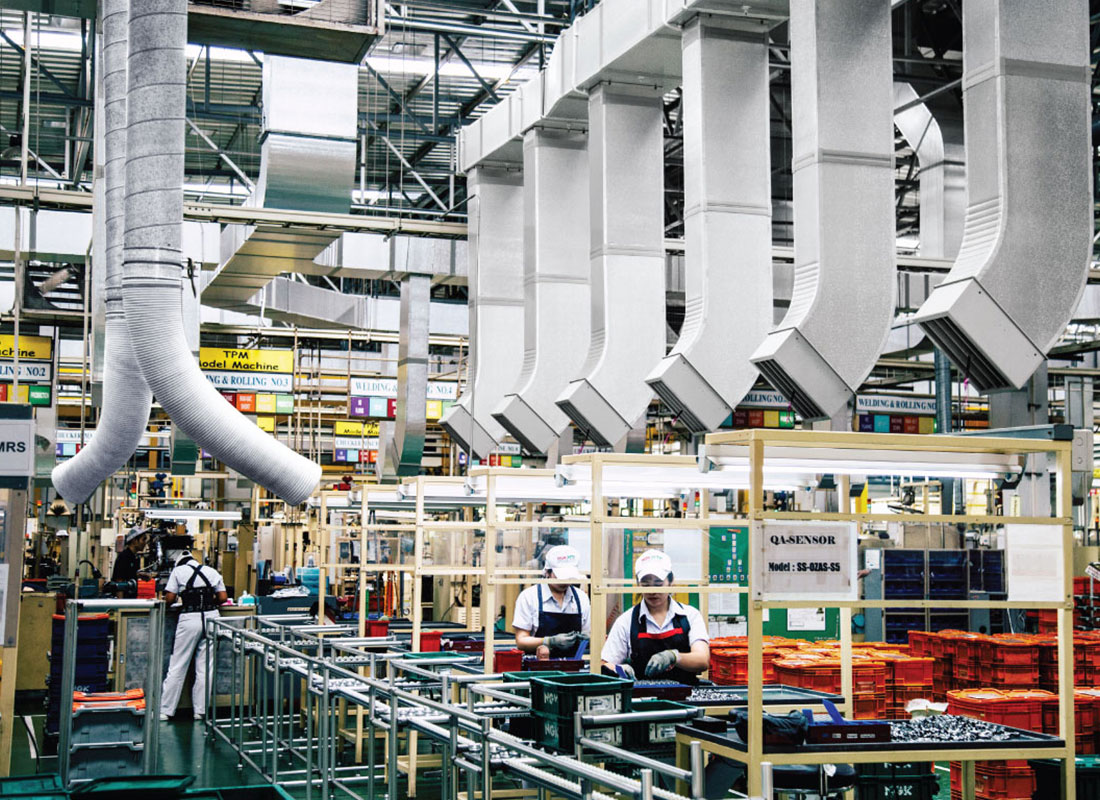
Under normal conditions, the system focuses on cleaning the air and lowering the ambient temperature. The supply fan draws oxygen-rich air from the outdoors into the interior, while the exhaust fan collects all toxic gases such as CO and CO2, directing them towards the exhaust duct for upward movement. The airflow rate during this phase is maintained at a moderate level to save energy while ensuring the space remains airy and not stuffy.
Emergency fire response level
When a fire alarm is detected, basement smoke extraction system Emergency mode will be activated immediately. At this time, fresh air supply fans may reduce their power or stop in some areas to avoid blowing additional oxygen to fuel the fire. Conversely, smoke extraction fans will increase to maximum speed to collect the dense black smoke emitted from the fire, creating a safe buffer zone with clear visibility to help residents find their way to the stairwells.
2. Selecting the Appropriate Pipeline Routing Option for the Site Layout
Depending on the floor beam structure and the height from the floor to the concrete ceiling of each project, the design team will apply one of the two following air distribution solutions:
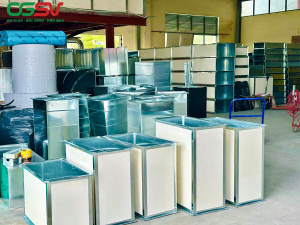
- Local duct distribution method: The entire airflow is conveyed through square galvanized sheet metal ducts installed flush with the ceiling. Clean and exhaust air enter and exit through vents strategically placed along the duct system. This solution allows for very precise control of airflow direction but requires sufficient ceiling height to avoid obstructing the passage of large trucks.
- Ductless jet air distribution method: This system completely eliminates bulky sheet metal ducts. Instead, engineers use ceiling-mounted jet fan clusters spaced at predetermined intervals. The fans generate high-velocity air jets, transferring momentum to direct the entire polluted air stream in a single direction towards the main intake chamber. This method optimizes ceiling space and eliminates the risk of positional conflicts with fire hydrants.
System Segment Task Breakdown Table
| Technical Components | Main Functions | Structural Requirements |
| Fresh air supply duct | Bringing clean air deep into the tunnel. | The air intake location should be in a fresh, well-ventilated area, away from the exhaust fan. |
| Exhaust gas intake shaft | Collect toxic gases daily and incident smoke. | The discharge outlet is located on the building's rooftop. |
| Fire damper (FD) | Automatically closes the valve when the temperature exceeds the safe limit. | The valve body is made of high-temperature resistant material to prevent deformation. |
3. Mechanical Protection Standards for Smoke Extraction Ducts
When operating in fire mode, the airflow inside the pipe reaches extremely high temperatures. Therefore, the pipe sections belong to basement smoke extraction system It must be able to withstand direct fire.
Contractors are not permitted to leave the galvanized sheet metal exposed; instead, they must wrap the pipes with fire-resistant gypsum boards, molded foam panels, or apply heat-resistant mortar rated EI in accordance with the approved fire safety design. This protective layer keeps the pipe structure stable, preventing melting or collapse, ensuring continuous smoke extraction until the fire is completely extinguished.
Conclusion
Develop solutions basement ventilation A comprehensive system involves a synchronized combination of calculating actual airflow, selecting the optimal piping solution for maximum space utilization, and using fire-resistant materials that meet standards. Investing properly in this system from the initial stages will ensure safe and smooth operation of the building and facilitate the completion of acceptance procedures for commissioning.
If your company is looking for a factory that manufactures high-quality ductwork components or needs more in-depth advice on the construction of underground mechanical and electrical systems, contact Sao Viet immediately for the fastest technical support!
>>> See more: Get free technical advice and a quote!
If you are looking for a reliable ducting supplier that guarantees safety, durability, and efficiency for your project in Hai Phong and surrounding provinces, please contact us immediately:
Address: 267 Le Thanh Tong, May Chai, Hai Phong
Mrs. Hang: 0815.999.826
Mrs Giang: 0934.559.168
E-mail: vietonggio@gmail.com