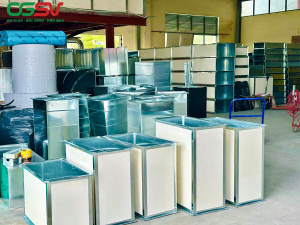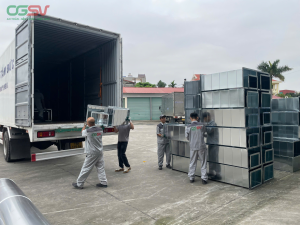
Industrial and residential ductwork have some key differences in purpose, size, design, and materials. Below Sao Viet air duct will share some basic differences.
Intended use
– Industrial air ducts: Often used in factories, workshops, warehouses, or manufacturing facilities, where a powerful ventilation system is needed to handle large amounts of air, toxic gases, dust, chemical vapors, high temperatures, etc.
– Residential air ducts: Used in homes, offices, shops, and small commercial establishments. They serve the purpose of providing clean air, regulating temperature and ensuring appropriate humidity.
Scale and size
Industrial ductwork: is typically larger and more extensive than residential ductwork, reflecting the need to handle larger volumes of air in industrial environments.
Design and materials
– Industrial ducts: are often designed to withstand harsher conditions such as high temperatures, chemicals, and high pressures. They can be made from stainless steel, galvanized steel, or materials that can withstand chemicals and high temperatures.
– Residential ductwork: is often lighter and can be made from plastic, aluminum, or galvanized steel. They are designed to be energy efficient and aesthetically pleasing.
Safety factors and standards
– Industrial Ductwork Systems: need to comply with more stringent safety and environmental standards, due to the handling of pollutants and hazardous substances.
– Meanwhile, Civil Air Duct focuses on providing clean and comfortable air for users.
Installation and Maintenance
– Industrial Duct Systems often require professional installation and more frequent maintenance due to their complexity and large size.
– Residential Duct Systems: on the contrary, are often easier to install and maintain.
In summary, the main differences between industrial and residential ductwork lie in size, intended use, design and materials, as well as safety and maintenance requirements.