
In the electromechanical structure of high-rise buildings, the air duct system acts like the bloodstream, distributing oxygen to each office and apartment. However, after a long period of continuous operation, the ducts accumulate layers of fine dust, fabric fibers, and residual moisture. This is a leading cause of reduced air pressure, overloading the main fan and directly degrading air quality.
Therefore, planning for regular inspections is mandatory. So, what is the frequency? air duct maintenance and Cleaning the ventilation system What is a reasonable timeframe to ensure both optimal machine performance and optimized operating costs for a business?
1. Factors Determining Maintenance Schedules
There is no fixed timeframe that applies to all buildings. The frequency of pipe cleaning depends greatly on the architectural features and intended use of each building.
- Function of the building: Restaurants and hotels with industrial kitchens that generate a lot of grease and oil will require a more frequent maintenance schedule compared to commercial office buildings that only generate ordinary dust.
- Environmental factors: Buildings located near major roads, areas with ongoing construction projects, or near industrial zones will experience dust accumulation inside the ducts two to three times faster than usual.
- Central filter quality: If the dust filters in the air handling unit (AHU) are not replaced on time, dirt will penetrate deep into the main ductwork, increasing the frequency of duct flushing.
2. Detailed Cleaning Frequency for Ventilation Systems in Each Area
Based on international infrastructure management standards and construction practices in Vietnam, the pipeline maintenance schedule is divided into the following specific timeframes:
Office blocks, shopping malls, and luxury apartments.
- Regular camera inspections: Every 6 to 12 months. Engineers will lower a robot equipped with a camera into the duct through ceiling access hatches to assess the thickness of the dirt layer.
- Proceed Cleaning the ventilation system Overall: Every 2 to 3 years. This process uses a high-powered negative pressure industrial vacuum cleaner combined with a mechanical rotating brush to detach and collect all fine dust inside the duct.
Kitchen and dining area exhaust system
- Cleaning frequency: Every 3 to 6 months. Due to the nature of the gas stream containing extremely high levels of oil and grease vapors, if the grease buildup on the pipe walls is not scraped off periodically, the risk of fire due to ignition in the pipeline is very high.
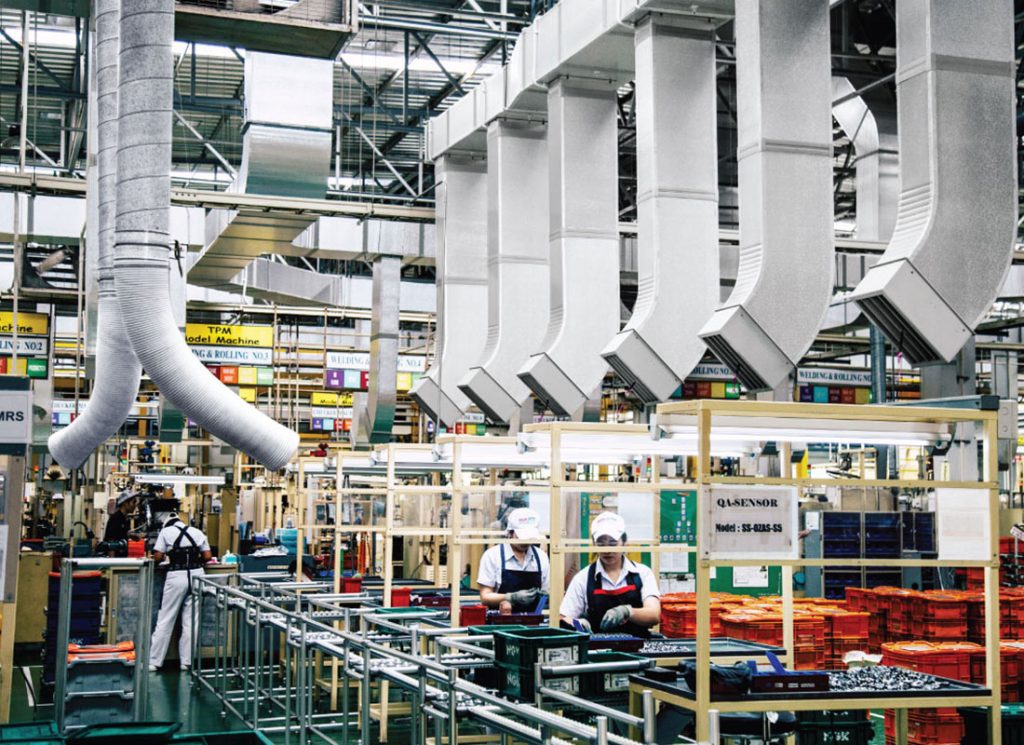
Factories and workshops producing components, pharmaceuticals, and food products.
- Pipeline maintenance frequency: Every 6 to 12 months. These environments require strict cleanliness standards (clean rooms), therefore the pipelines must not only be vacuumed but also sprayed with specialized disinfectant chemicals to eliminate mold spores.
Summary Table of Pipeline Maintenance Frequency by Function
| Type of Construction | Frequency of Surveillance Camera Inspections | Frequency of Cleaning and Disinfecting Pipes |
| Office, Apartment | once every 12 months | every 24-36 months |
| Restaurant, Kitchen | every 3 months | every 3-6 months |
| Pharmaceutical factory, Medical cleanroom | every 6 months | every 6 months |
3. Outstanding Benefits of Adhering to a Regular Duct Maintenance Schedule
Proactive planning for HVAC system cleaning provides long-term practical value for building management:
- Energy saving: Clean duct lining reduces internal friction, resulting in smoother airflow. Industrial exhaust fans operate at their designed capacity, saving between 10% and 15% of electricity consumption.
- Increased equipment lifespan: Prevents the main fan from running continuously to compensate for pressure, minimizing the risk of motor burnout and extending the lifespan of the entire electromechanical system.
Conclusion
Maintain frequency air duct maintenance Rational planning is key to optimizing operating costs and creating a healthy living environment for residents. This is a smart investment that ensures the building operates safely and maintains sustainable property value.
If your building management needs a piping survey plan or advice on fabricating access control systems for convenient maintenance, contact Sao Viet today to receive support from our team of highly experienced HVAC engineers!
>>> See more: Get free technical advice and a quote!
If you are looking for a reliable ducting supplier that guarantees safety, durability, and efficiency for your project in Hai Phong and surrounding provinces, please contact us immediately:
Address: 267 Le Thanh Tong, May Chai, Hai Phong
Mrs. Hang: 0815.999.826
Mrs Giang: 0934.559.168
E-mail: vietonggio@gmail.com