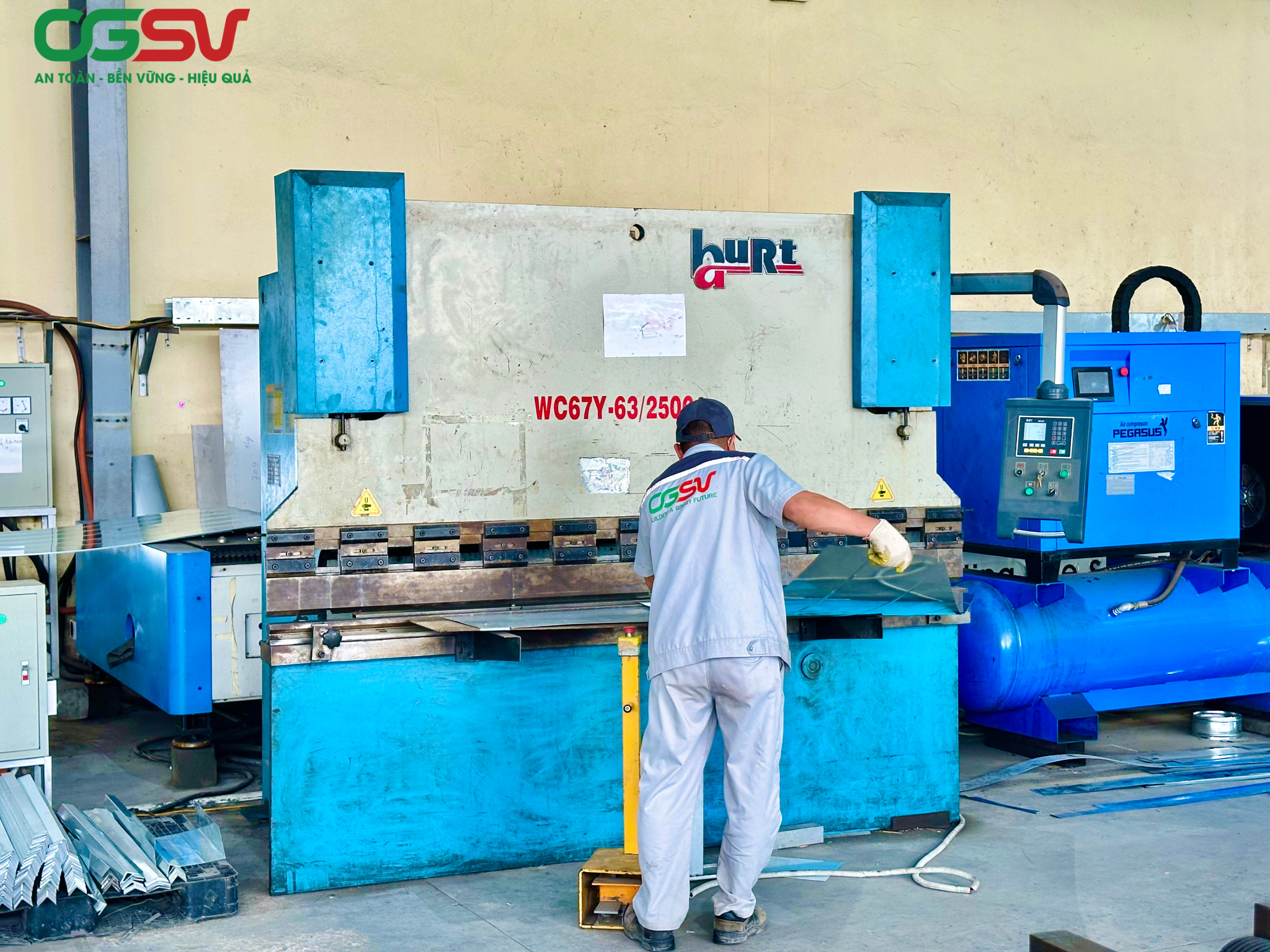
In HVAC (heating, ventilation, and air conditioning) systems, pressure loss in ductwork is a critical factor directly affecting operational efficiency, energy consumption, and equipment lifespan. If pressure loss is too high, the fans must work harder to maintain airflow, leading to increased energy consumption and reduced system lifespan. Therefore, reducing pressure loss in ductwork is a crucial solution for optimizing operational efficiency and saving costs.
1. Design the air duct system properly from the start.
One of the most important factors in reducing pressure loss in ductwork is proper system design. When ductwork is too long, has many bends, or constantly changes in cross-section, it increases friction and hinders airflow.
Some design principles to keep in mind:
- Minimize the number of bends, elbows, and curves in the system.
- Use large radii of curvature for bends to reduce airflow obstruction.
- Design the pipeline to be as short and straight as possible.
- Distribute airflow appropriately among the branches.
Proper design from the outset will significantly reduce pressure losses and operating costs later on.
2. Choose the appropriate duct size.
Duct size significantly impacts friction and pressure in a ventilation system. If the duct is too small for the required airflow, the wind speed will increase, causing greater friction and resulting in pressure loss.
Conversely, if you choose the appropriate duct size:
- Wind speed was maintained at standard levels.
- The airflow is more stable.
- Reduce the load on the ventilation fan.
In HVAC design, accurately calculating airflow and duct size is a crucial step in optimizing system performance.
3. Use high-quality ducting materials.
The smoother the inner surface of the duct, the lower the air friction, which helps reduce pressure loss.
Some commonly applied solutions include:
- Use high-quality galvanized steel sheets.
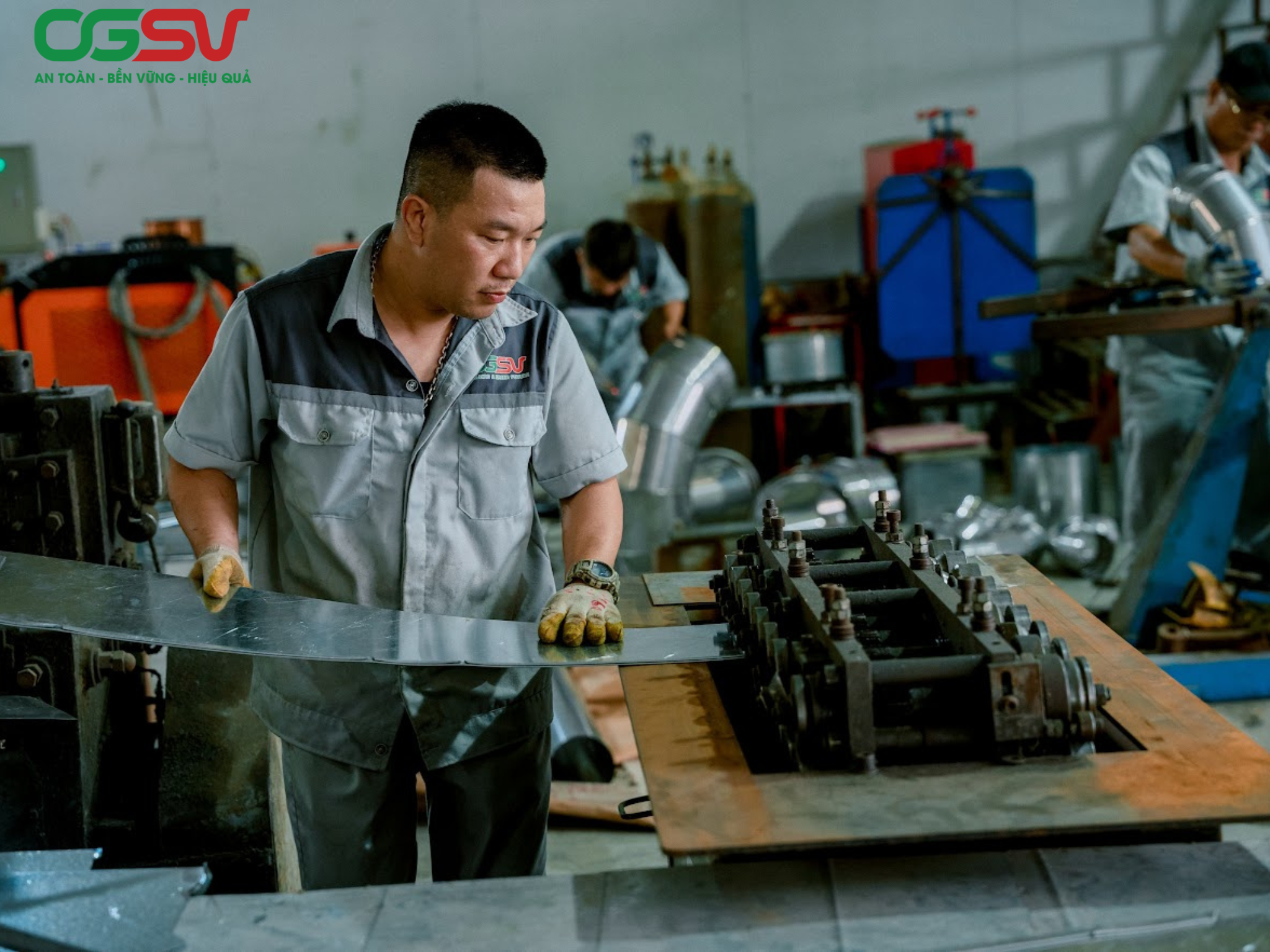
- Precise ductwork fabrication is essential to avoid rough edges and joints.
- Ensure a tight seal to prevent air leaks.
In addition, using appropriate insulation materials also helps the system operate stably and increases the efficiency of air transmission.
4. Minimize air leaks in the system.
Air leaks are a common cause of systems having to work harder to compensate for lost airflow. This not only increases pressure loss but also reduces the efficiency of the entire HVAC system.
To limit leaks:
- Use gaskets at the joints.
- Inspect and seal any gaps during installation.
- Regular system maintenance.
A closed duct system will help maintain stable pressure and save significant energy.
5. Proper arrangement of ducting accessories.
Accessories such as air vents, dampers, filters, and silencers can all increase resistance if installed improperly.
Some important notes:
- Choose accessories with good aerodynamic design.
- Install it in the correct airflow direction.
- Avoid placing too many fittings on the same section of pipe.
Properly positioned fittings will help the airflow circulate more smoothly, thereby reducing pressure loss.
Conclude
Reducing pressure loss in duct systems is crucial for improving HVAC system efficiency, reducing energy consumption, and extending equipment lifespan. Through proper design, appropriate duct size selection, use of quality materials, and leak prevention, buildings can effectively optimize ventilation performance.
Investing in the design and construction of a standard duct system from the outset not only ensures stable system operation but also provides long-term economic benefits for the investor.