In modern fire protection systems, Fire-resistant ducting (EI) It is a mandatory component to ensure the safety of the construction project. However, a question that many investors and contractors often wonder about is: “"How long do fire-resistant air ducts last?"” And how can we maintain their durability over time?
This article will provide a detailed look at the lifecycle and factors affecting the durability of this particular product line.
1. What is the average lifespan of fire-resistant ductwork?
Typically, a high-quality fire-resistant duct system, manufactured and installed correctly, has a lifespan ranging from... 15 to 25 years, or in parallel with the lifespan of the structure.
However, this number is not fixed. It depends entirely on the composition of the fire-resistant material:
- Gypsum board air ducts: It is highly durable in dry environments, but is easily affected by moisture if the surface is not properly treated.
- Fire-resistant painted air ducts: The lifespan depends on the adhesion of the paint layer. After about 10-15 years, the paint may need to be inspected and maintained to prevent peeling.
- Specialized fire-resistant sheet air ducts (such as Magnesium Chloride – MgO sheets): This type is the most durable, resistant to moisture, and does not corrode over time.
2. Factors determining the "lifespan" of EI ductwork.
To determine how long fire-resistant ductwork can be used, we need to consider three core factors:
Reinforcement material quality
EI ducting is essentially galvanized steel ducting covered with insulation material. If the inner layer of steel rusts due to poor quality, the entire duct structure will weaken, reducing its load-bearing capacity in the event of a fire.
Installation environment
- Indoor environment: Air ducts installed inside technical boxes or above drywall ceilings have a very long lifespan due to minimal exposure to external forces.
- Harsh environment: In chemical plants, coastal environments, or areas with high humidity, if fire-resistant air ducts with moisture-resistant properties (such as new generation fire-resistant panels) are not selected, their lifespan will be significantly reduced.
Construction techniques
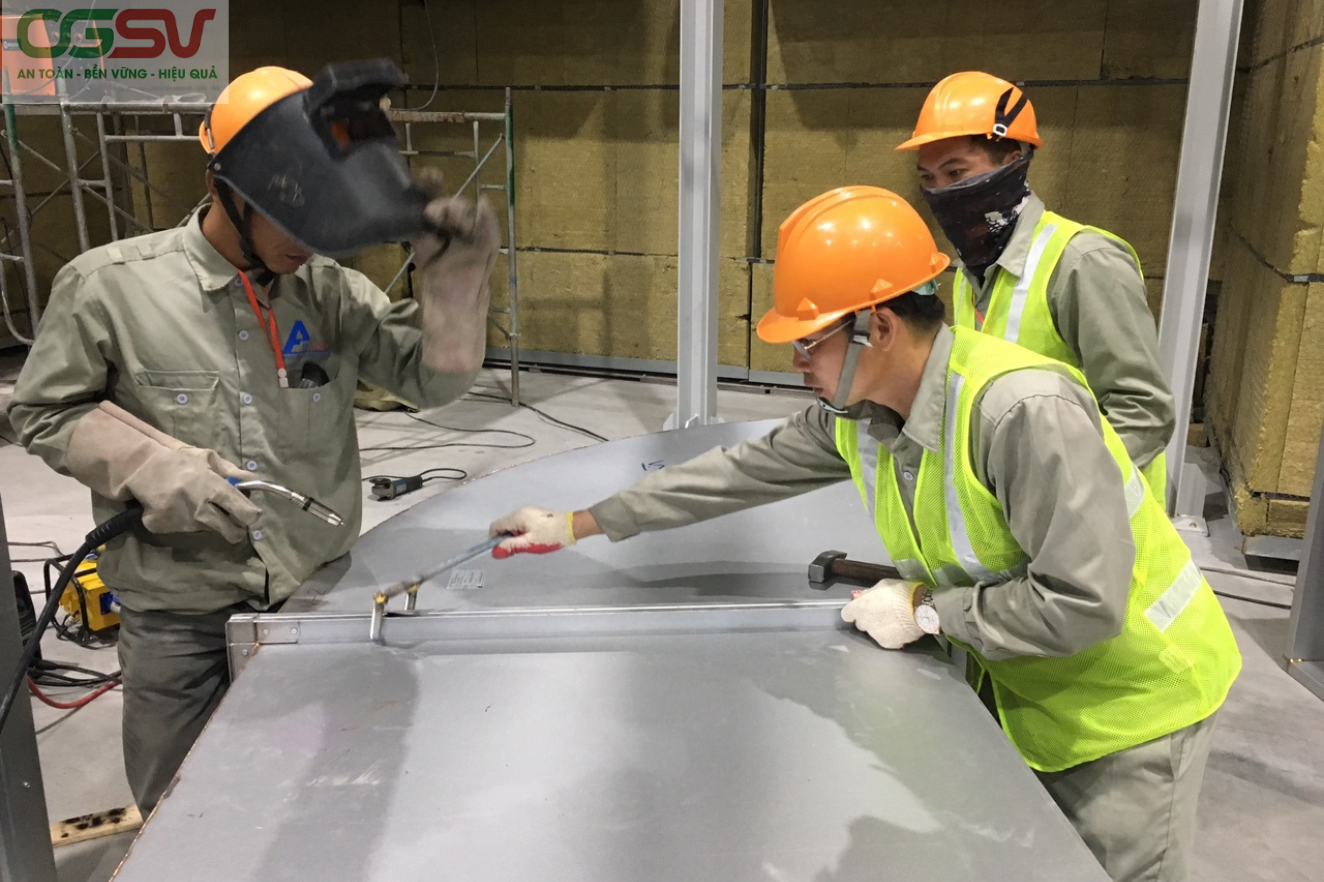
A shoddy construction process, leaving gaps in the joints or damaging the outer protective layer, will allow moisture to penetrate the core, causing internal damage after 5-7 years of use.
3. EI standards and fire resistance limits
It should be noted that the concept of "how long it can be used" also includes... fire resistance time When a real fire occurs, this is the most important parameter in fire safety inspection:
- EI 30, EI 45: It can withstand fire and maintain its structure for 30-45 minutes.
- EI 60, EI 90: Commonly used in parking lots and high-rise building corridors.
- EI 120, EI 150: Suitable for utility shafts running through floors, ensuring the smoke extraction system operates reliably for 2-2.5 hours during a fire.
4. How to maintain maximum durability for your duct system.
To ensure fire-resistant duct systems function effectively for decades, businesses should implement the following:
- Periodic check: Inspect fire-resistant materials for cracks and peeling at least once or twice a year.
- Proper hygiene: Avoid using harsh cleaning chemicals that can corrode the outer protective layer.
- Choose a reputable manufacturer: The product must have all the necessary certifications from the Fire Prevention and Control Department, ensuring that the input materials meet the stated specifications.
Conclude
Fire-resistant ducting is not just a short-term investment, but a long-term solution for protecting property and lives. With the right materials and a reputable manufacturer, you can rest assured of the system's durability for decades.
Our company is proud to be a leading supplier of EI fire-resistant ducting that meets standards, committed to long-lasting quality.