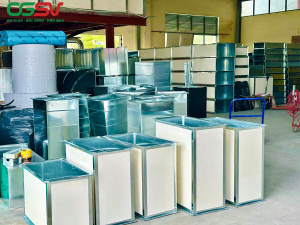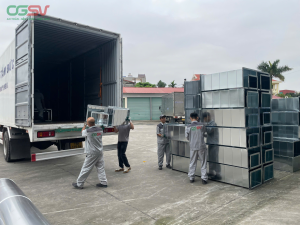
In modern buildings such as factories, shopping malls, hospitals, hotels, or high-rise apartment buildings, HVAC ventilation system It plays a crucial role in maintaining air quality and user comfort. However, along with operational efficiency comes a problem. Noise from the ventilation system, This directly impacts the user experience and the acoustic standards of the building. Therefore, HVAC noise control and applications Soundproofing solutions for ventilation systems This is becoming a mandatory requirement in design and construction today.
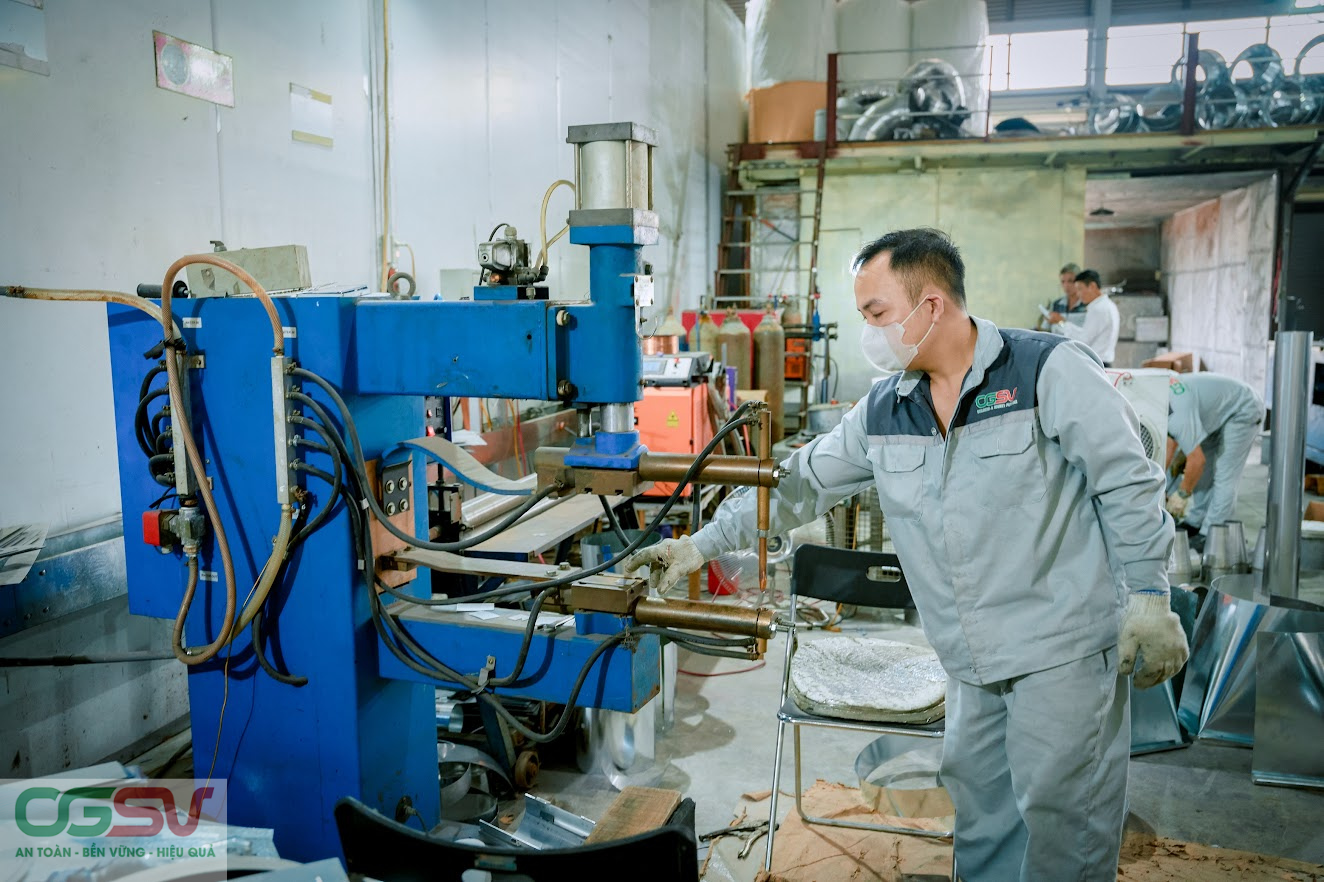
1. Causes of noise in HVAC systems
Noise inside HVAC system It usually arises from:
- The fan is operating at high power.
- Motor vibrations are transmitted through the pipes.
- High-speed airflow in the duct.
- Air shock at elbows, bends, and dampers.
If there is none duct soundproofing measures If properly designed, sound will propagate along the system, amplify at the air vents, and disperse into the usable space. This is particularly problematic in hospitals, meeting rooms, hotels, or residential areas – places requiring strict noise level standards.
2. The harmful effects of HVAC noise on buildings.
The lack of good control ventilation system noise It can cause:
- Impact on the health and mental well-being of users.
- Reduced service quality at hotels and shopping malls.
- Distractions in the office or meeting room.
- The building did not meet the acoustic acceptance standards.
For factories and industrial areas, prolonged noise also affects labor productivity and operational safety.
3. Soundproofing solutions for effective ventilation systems
To HVAC noise control To be thorough, a combination of synchronized solutions is needed:
– Install HVAC soundproofing ducts
This is the most common solution. Sound attenuator It is constructed from an outer layer of galvanized steel and an inner layer of sound-absorbing material (mineral wool, fiberglass wool), which significantly reduces noise levels before air enters the usable space.
– Use duct silencer boxes
Soundproof box They are typically installed after the fan or before the air vent. The baffle design helps to suppress sound waves while ensuring a stable airflow.
– Reduce vibration and isolate the equipment.
The use of anti-vibration rubber pads and flexible couplings for fans and AHUs helps to limit the transmission of vibrations to the duct system – the main cause of acoustic resonance.
– Design optimized for wind speed
Controlling the airflow speed in the ductwork according to technical standards helps to reduce whistling and air turbulence.
4. Benefits of investing in quality HVAC soundproofing solutions
Application Soundproofing solutions for ventilation systems It brings many benefits:
- Improving the quality of the working and living environment.
- Ensuring acoustic standards for the building.
- Increase system durability by reducing vibrations.
- Optimize your company's professional image.
In particular, for high-end projects such as hospitals, 4-5 star hotels, and shopping malls, the use of High-quality HVAC sound attenuator ducts It's not just a technical solution, but also a factor that affirms the prestige of the construction project.
5. Reputable sound-absorbing pipe manufacturers

Choose a specialized manufacturer. HVAC ductwork and sound attenuator boxes Meeting the standards helps ensure:
- The material meets fire resistance standards.
- High sound absorption coefficient
- Precise and tight-fitting machining.
- Professional installation services
We offer Solutions for noise control in ventilation systems. Comprehensive, custom-designed solutions for each project, ensuring optimal soundproofing effectiveness and reasonable costs.